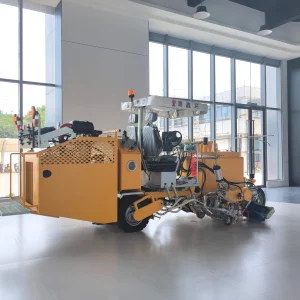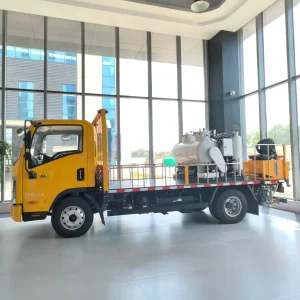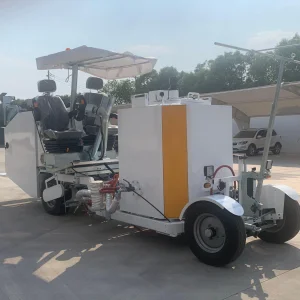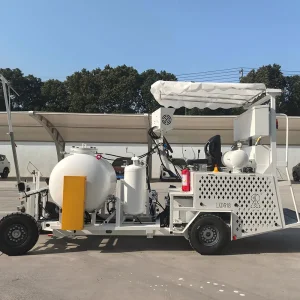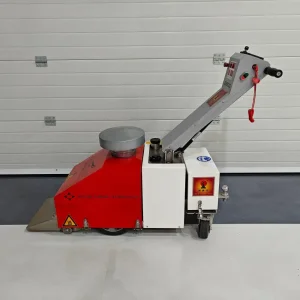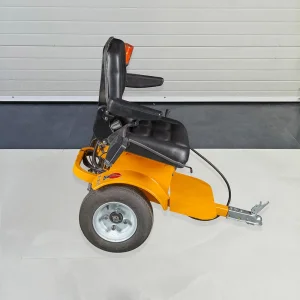
Industrial-grade machinery tailored for the East African transport corridors.
As Uganda progresses toward its Vision 2040, the transformation of the national road network is a critical pillar for economic growth. With major projects like the Kampala-Entebbe Expressway and the expansion of the Northern Corridor, the demand for high-durability traffic safety solutions has reached an all-time high. Thermoplastic marking machines have emerged as the gold standard in the region, replacing traditional cold paints due to their exceptional longevity and reflective properties under tropical weather conditions.
The Uganda National Roads Authority (UNRA) is increasingly mandating thermoplastic applications for national highways. Unlike cold spray, thermoplastic resin bonds physically and mechanically to the asphalt, resisting the intense UV radiation and heavy equatorial rains typical of the Lake Victoria basin. For contractors, this means fewer maintenance cycles and higher project ROI.
Sqm Factory Base
Exporting Countries
Expert Workforce
Certified Quality
In the era of Global Industry 4.0, our manufacturing process integrates IoT-enabled monitoring and automated precision engineering. For Ugandan suppliers and procurement officers, this translates to Supply Chain Resilience. We understand that road construction in East Africa requires timely delivery of both machinery and spare parts.
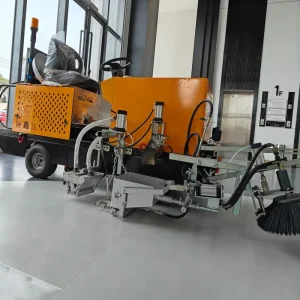
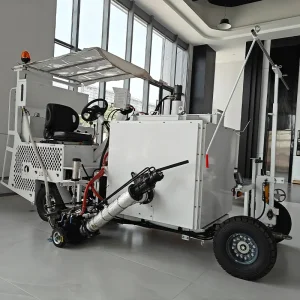
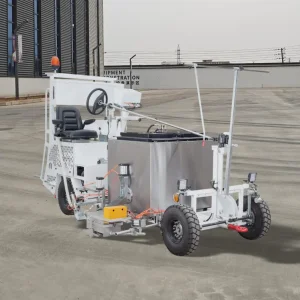
Our "Smart Factory" approach ensures that every HW-series marking machine is tested against rigorous simulated stress environments before shipping to Mombasa or Entebbe. This provides an Information Gain advantage: you aren't just buying a machine; you are acquiring a verified data-backed safety asset.
Explore Factory Capabilities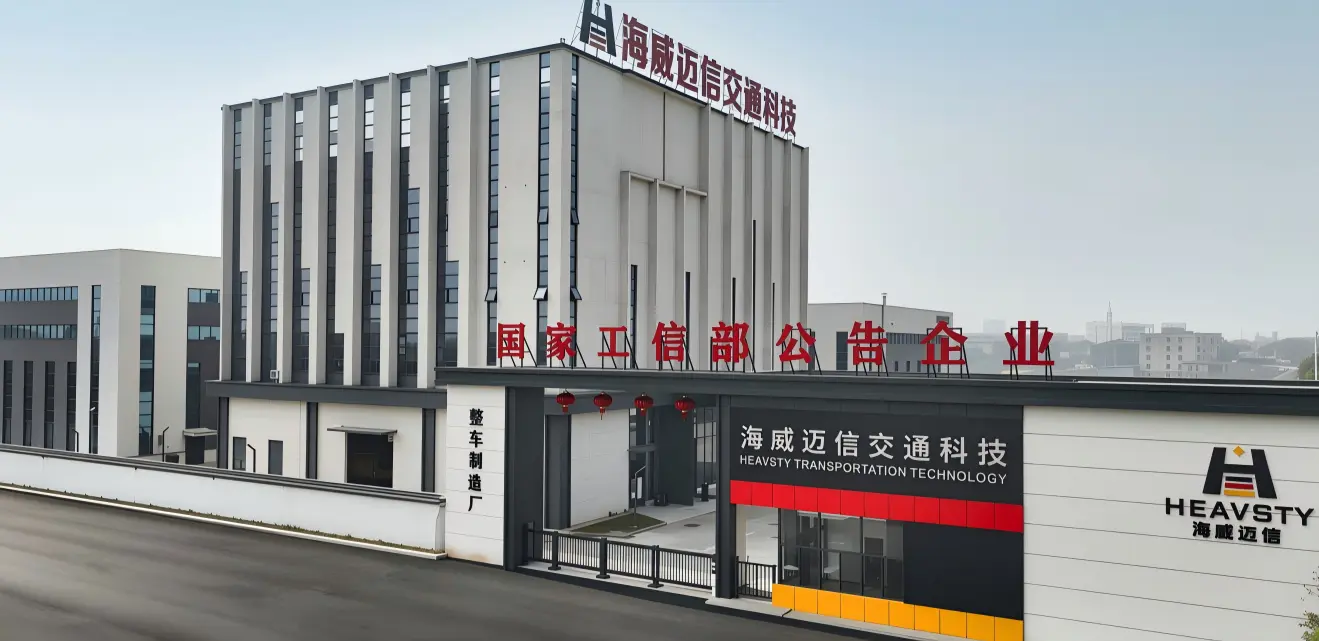
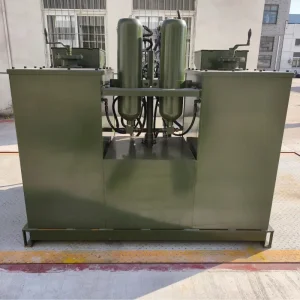
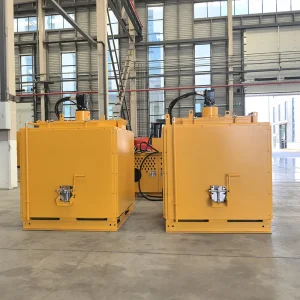
Thermoplastic material is a mixture of plasticizer, glass beads, pigments, and fillers. For Uganda's industrial sector, we have optimized our machines to handle higher melting points, ensuring the material remains stable even when road surface temperatures soar in districts like Kasese or Gulu. Our HW-200 and HW-300 kettles feature advanced thermal insulation to maintain precise application temperatures (180°C - 200°C), which is vital for the adhesion of reflective glass beads.
Trusted by road authorities and private contractors in over 60 countries.


A: Typically, sea freight to Mombasa followed by road transport to Kampala takes 35-45 days. We offer expedited manufacturing for urgent government tenders.
A: Yes, our equipment is designed to exceed CE and ISO 9001 standards, and is fully compatible with BS3262 and AASHTO thermoplastic specifications commonly used in Uganda.
A: We provide comprehensive video tutorials, detailed manuals, and can arrange for technical engineers to conduct on-site training for large-scale fleet purchases.