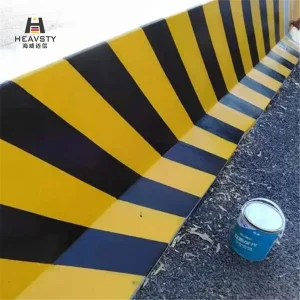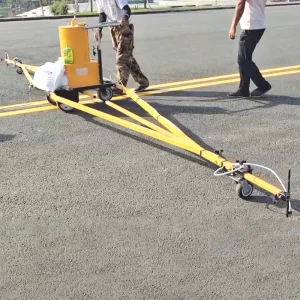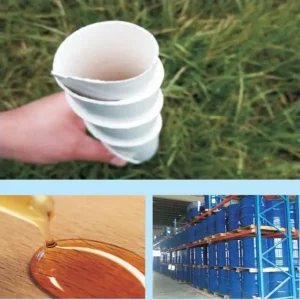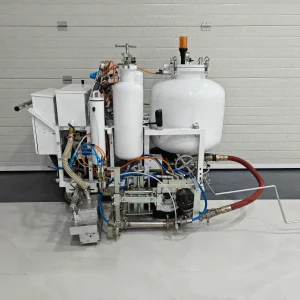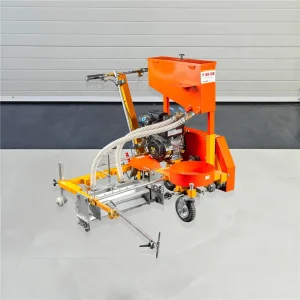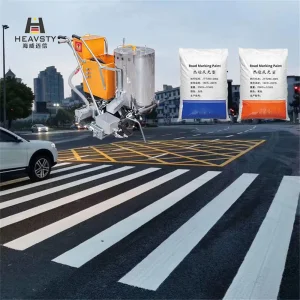
The global road marking market is undergoing a fundamental transformation. Driven by the "Vision Zero" initiative—a multi-national road safety project aimed at achieving a highway system with no fatalities or serious injuries—the demand for High-Visibility Road Marking has surged. Road markings are no longer merely aesthetic indicators; they are critical life-saving infrastructures that provide spatial orientation to drivers and essential data points for the burgeoning autonomous vehicle industry.
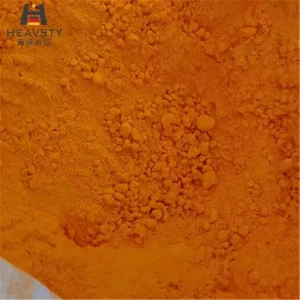
Recent data indicates that the global pavement marking materials market is projected to reach billions of dollars by 2030, with a significant shift toward retroreflective technology. Retroreflectivity ensures that markings remain visible under the most challenging conditions: heavy rain, fog, and midnight darkness. As a leading exporter, China has moved beyond high-volume production into high-tech R&D, providing "Information Gain" through material science innovations like MMA resin and thermoplastic powders with enhanced refractive indices.
Modern markings are now LiDAR-compatible, allowing semi-autonomous vehicles to detect lane boundaries even in poor lighting.
Water-based and solvent-free MMA resins are replacing traditional oil-based paints to reduce VOC emissions.
Extreme climate engineering ensures markings withstand Saudi Arabian heat and Kenyan tropical humidity without degradation.
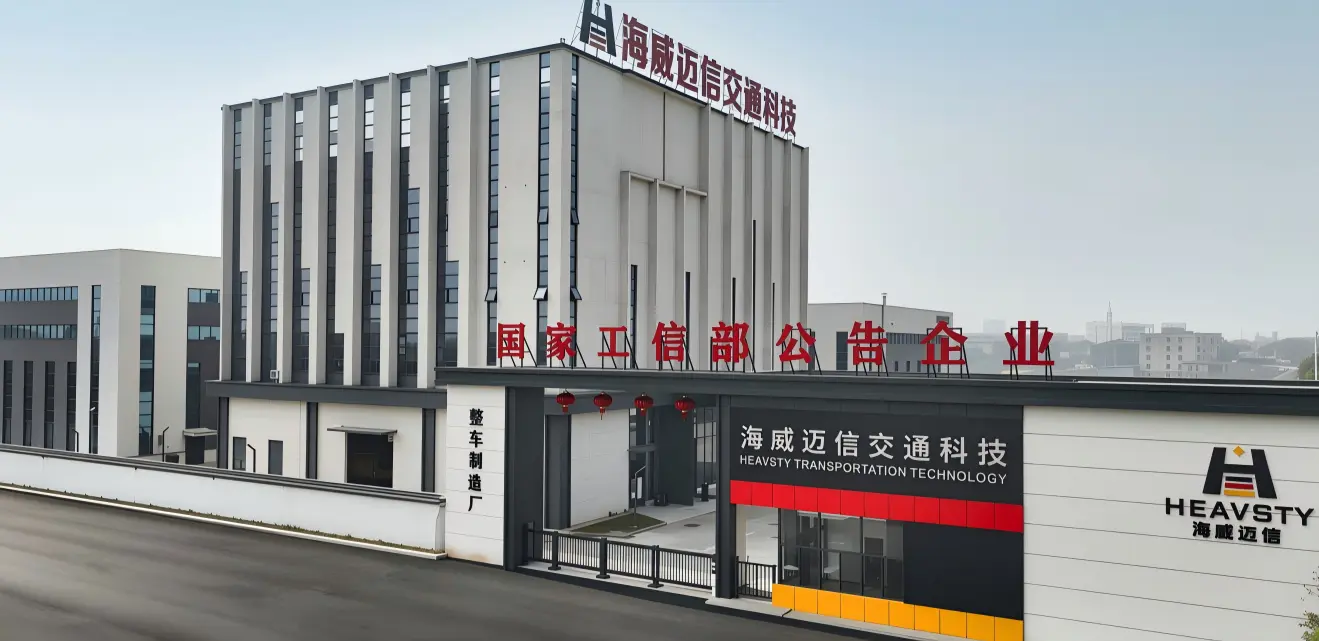
China’s manufacturing landscape has evolved into a global hub of precision engineering. At Heavsty, we embody this evolution. As China’s largest manufacturer of road marking machines, our facility spans over 20,000 square meters, housing a dedicated team of over 200 professionals.
Real-world performance is the ultimate benchmark for quality. Our equipment and materials are engineered for specific environmental stresses.
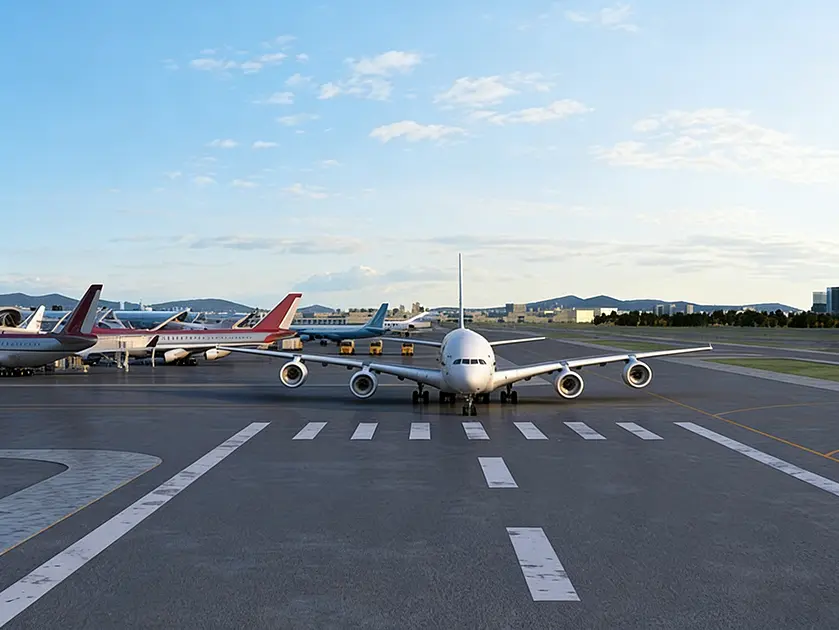
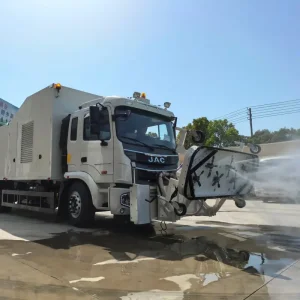
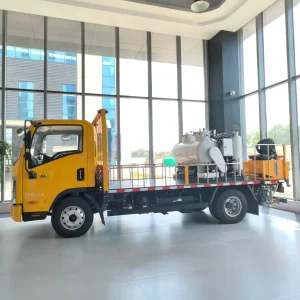
Kuwait International Airport: In 2025, our high-pressure water jetting vehicles cleared runway rubber deposits without damaging the substrate. This reduced runway closure time by 40% compared to traditional grinding methods.
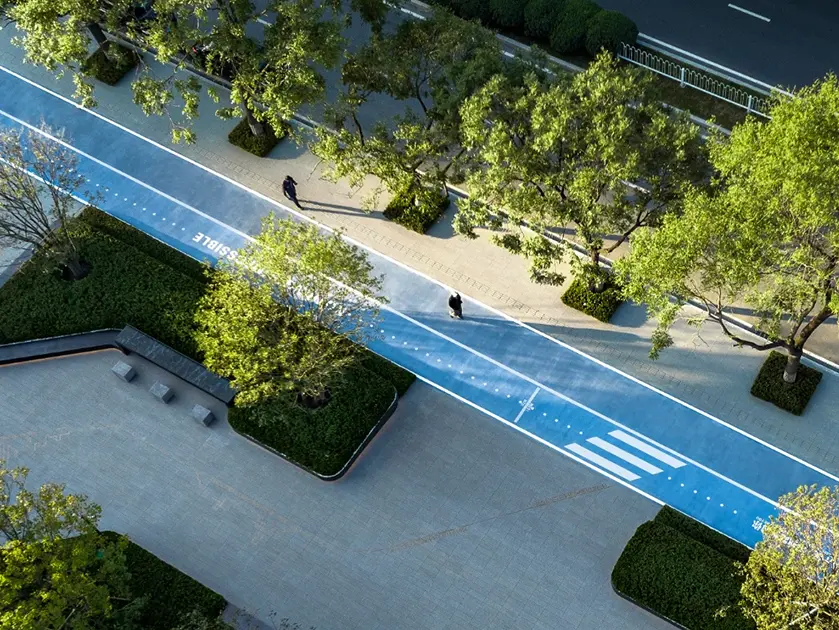
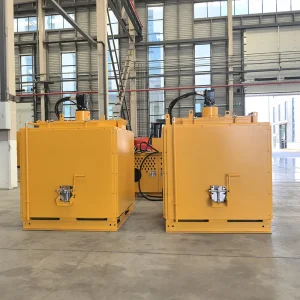
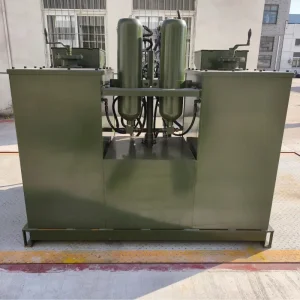
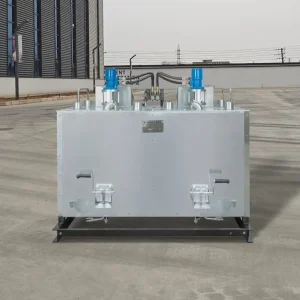
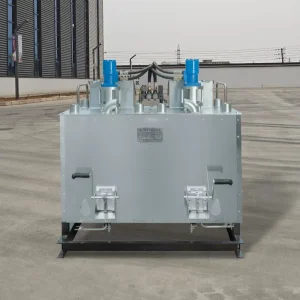
Seoul Urban Renewal: Utilizing our intelligent hot melt kettles, municipal teams achieved 100% temperature consistency, ensuring the longest-lasting road lines in Korea's heavy traffic districts.
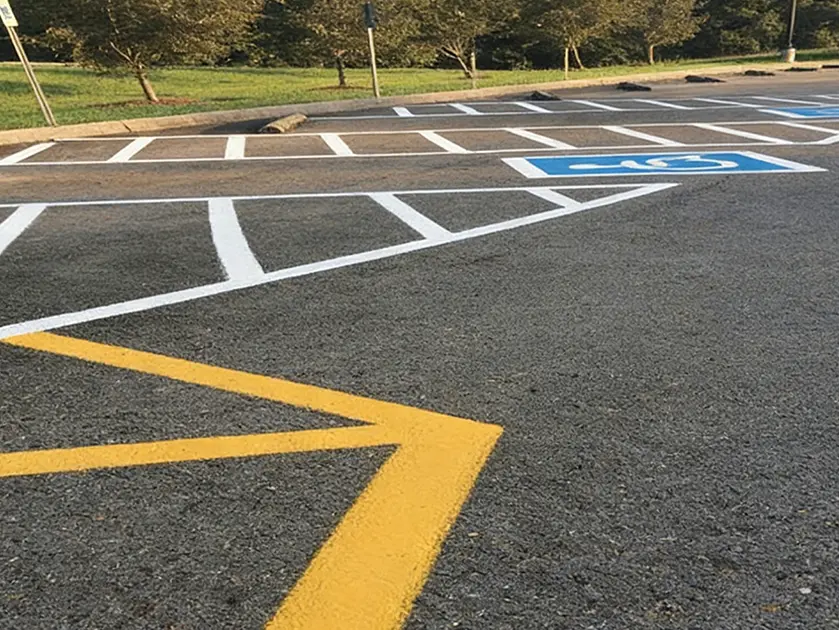
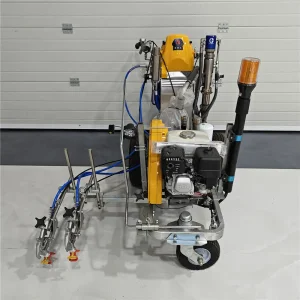
Saudi Arabia Trans-Desert Highway: Our Riding-type marking machines (HW-168) operated in temperatures exceeding 50°C, delivering uniform reflectivity across thousands of kilometers.
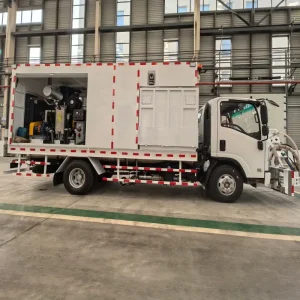
For global procurement officers, selecting a manufacturer is a matter of Total Cost of Ownership (TCO). While initial purchase price is important, the "Information Gain" lies in durability and application speed. A machine that reduces labor by 30% through automation—like our vehicle-mounted cold sprayers—pays for itself within the first quarter of operation.
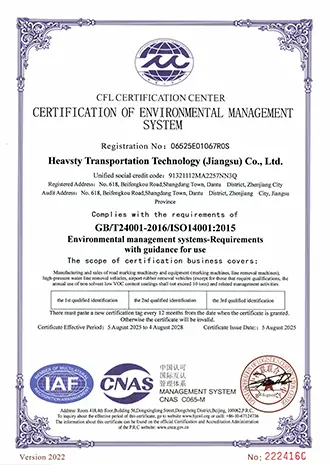
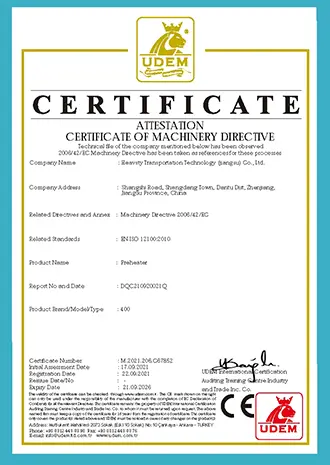
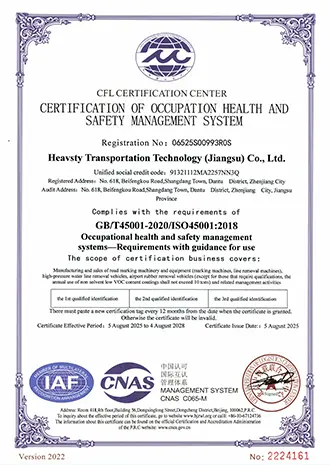
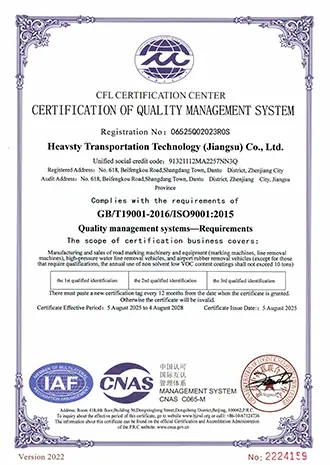
ISO 9001/14001/45001 Certified. TÜV & SGS Approved. CE Compliant.
Thermoplastic is ideal for high-traffic highways due to its thick, durable nature and fast drying time. Cold spray is preferred for municipal roads and parking lots where flexibility, ease of application, and lower equipment costs are priorities.
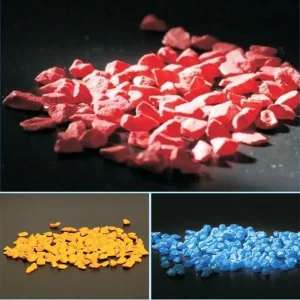
We use high-index glass beads embedded in our paints and thermoplastic powders. Our machines are calibrated to dispense these beads at a precise pressure and volume to ensure they sit perfectly at the 50-60% embedment level for maximum light return.
Yes. Our "HW" series vehicles are equipped with advanced temperature control systems for hot melt materials and moisture-resistant pneumatic systems for spray equipment, specifically tested for Middle Eastern and African environments.
Depending on the complexity (hand-push vs. vehicle-mounted), our production cycle ranges from 15 to 45 days. We offer full logistics support, including sea freight and customs documentation for over 60 countries.
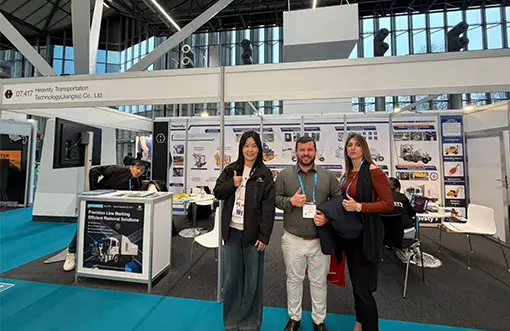
Intertraffic Amsterdam 2026
May 2026
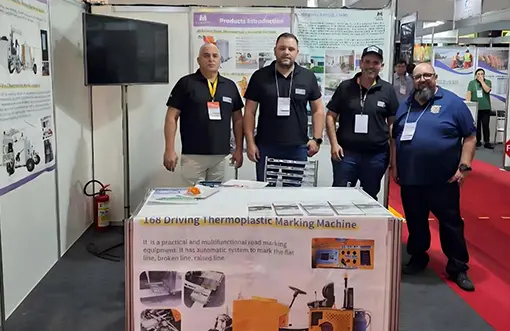
Paving Expo 2025
Sep 2025
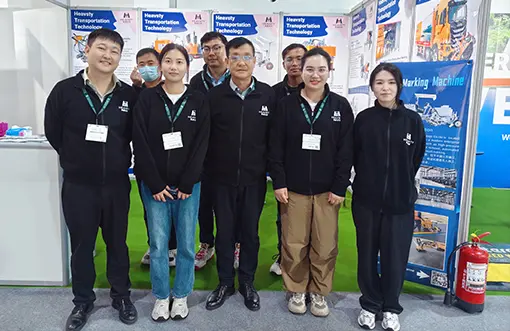
Saudi Intermobility Expo 2024
Oct 2024