Discover China's high-precision engineering solutions for municipal, highway, airport, and industrial striping projects.
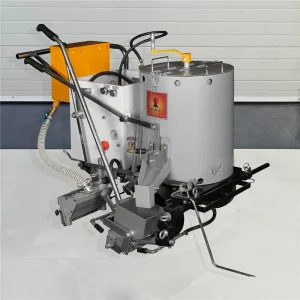
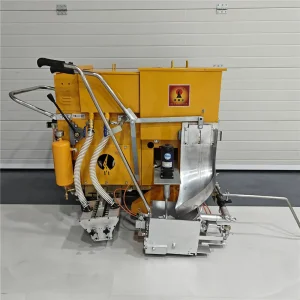
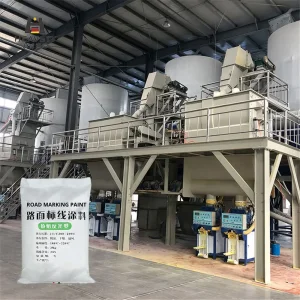
Modern transportation networks require robust infrastructure markings that guarantee safety, durability, and compatibility with vehicle automation. The paint striping industry has evolved from basic manual applications to dynamic, automated, and environmentally sustainable system configurations. Regionally, the expansion of high-speed networks and regional airports drives massive demand for specialized marking equipment.
Globally, road marking contractors face strict regulatory standards. In the European Union and North America, retroreflectivity metrics (measured in mcd/m²/lx) are closely monitored. This shifts the industrial demand towards advanced thermoplastic applicators and airless cold spray equipment capable of uniform distribution of reflective micro-glass beads. Choosing the right machinery and paint technology affects paint adhesion, dry times, and long-term visibility.
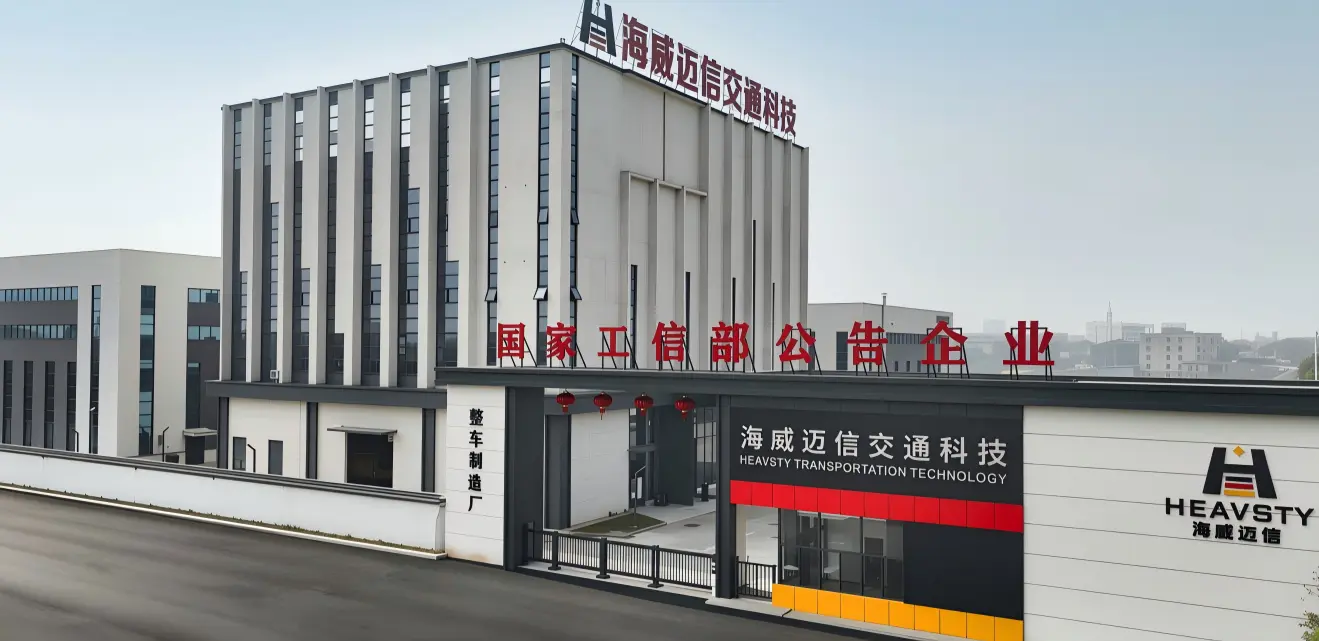
Understanding the technical precision and structural advantages behind China's largest road marking machine manufacturer.
Our dedicated team of 40 service and engineering professionals designs intelligent control systems, optimizes heating system efficiency, and improves the fluid dynamics of airless paint sprayers.
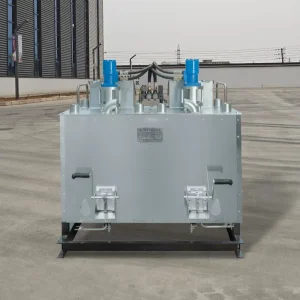
By producing structural elements, electronics, and heating chambers inside our 20,000+ sqm facility, we maintain strict quality control, reducing points of failure in complex systems like the HW-800 Hydraulic double cylinder.
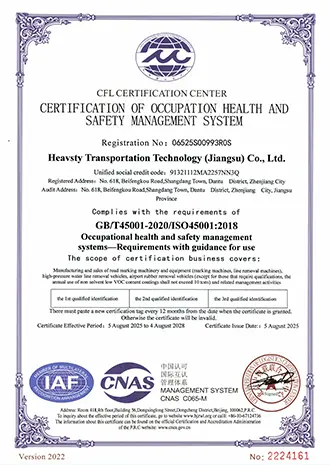
Heavsty products hold ISO 9001, ISO 14001, and ISO 45001 certificates. Our machines are TÜV, SGS, and CE certified, meeting the strict machinery import safety codes of North America, Europe, and the Middle East.
See how Heavsty road construction machines deliver high efficiency and durabilty in real-world scenarios.
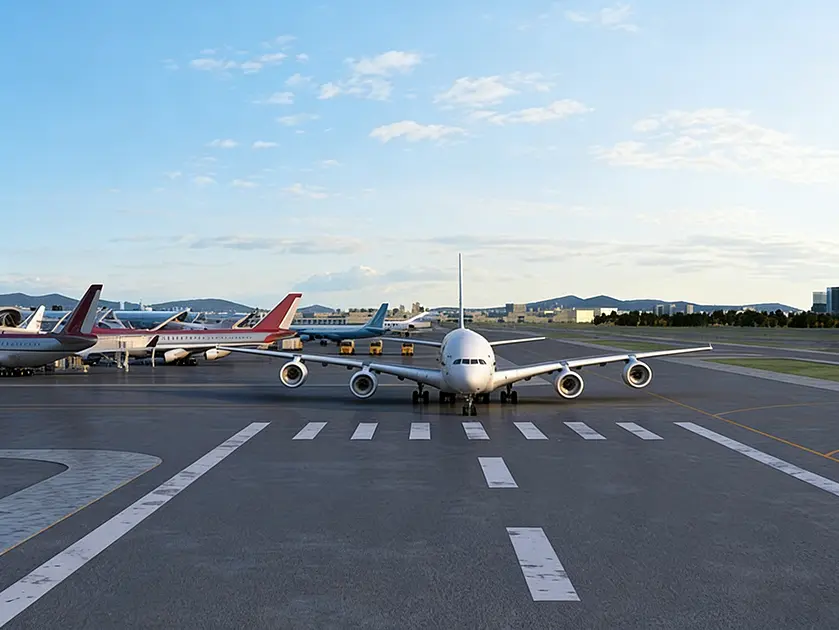
High-pressure water jet technology removed old markings and rubber build-up without causing runway damage. Its dust-free operation allowed the runway to dry and reopen quickly, minimizing airport downtime.
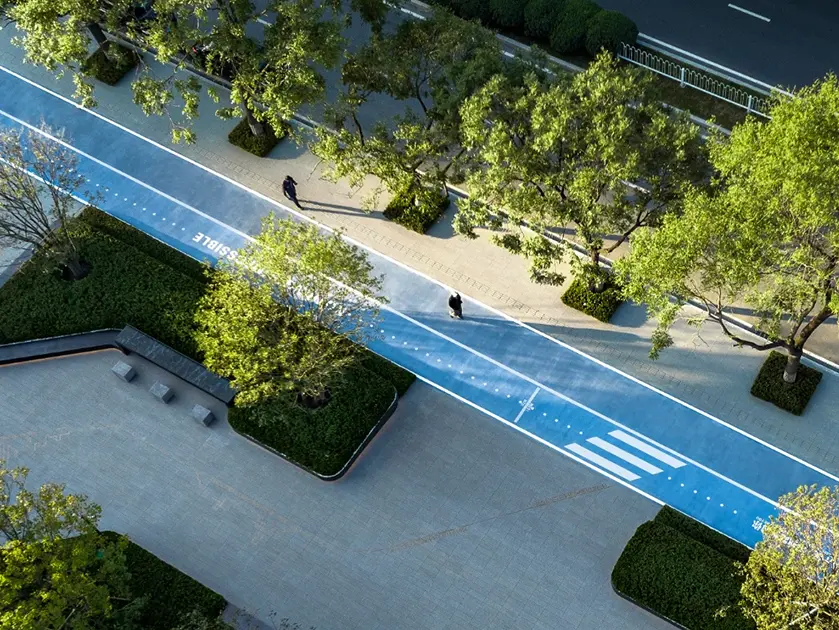
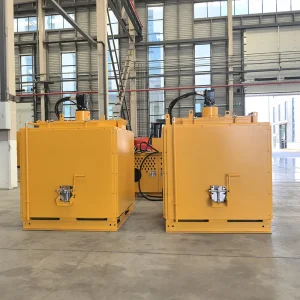
Applied on main urban roads in South Korea. The double-cylinder design ensured fast heating and accurate temperature control, delivering consistent material melting and improved marking quality.
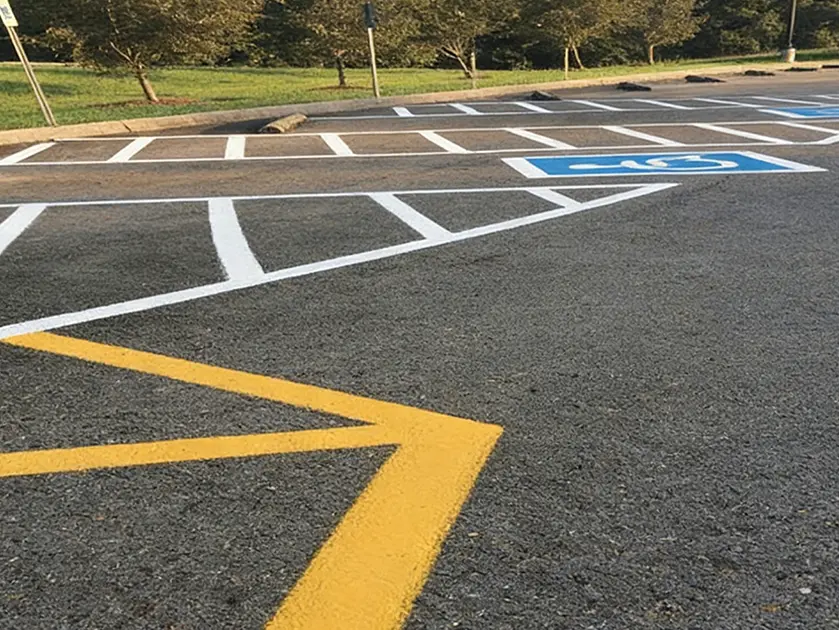
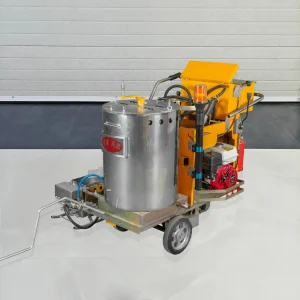
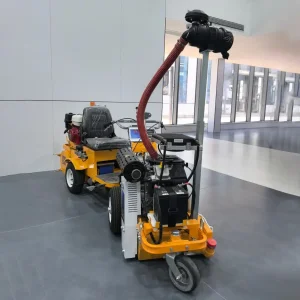
A large riding marking machine was deployed for municipal road projects. Designed for high temperatures, it applied uniform, wear-resistant lines under harsh Middle Eastern weather conditions.
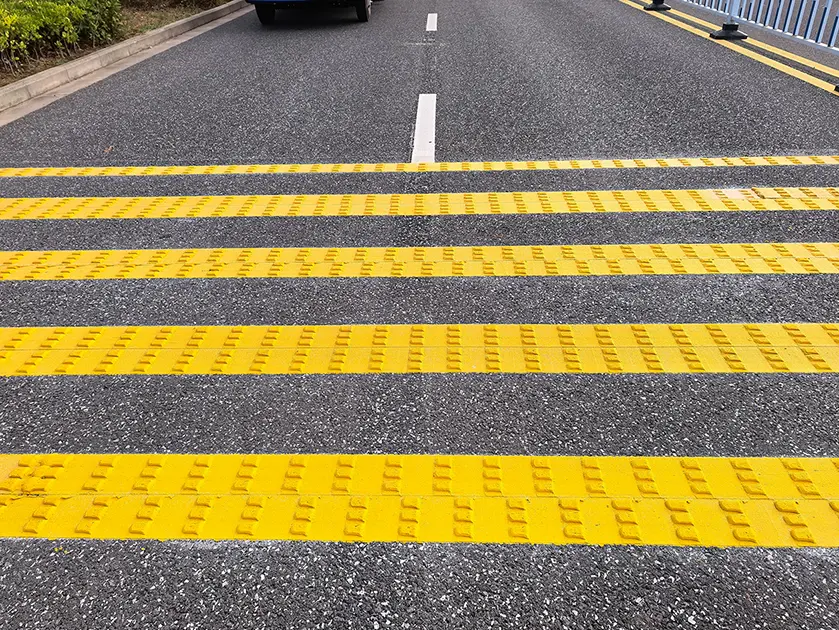
A cold-spray marking machine was used for municipal projects. Its instant, no-preheat system applied durable, high-adhesion paint, providing a cost-effective solution for local roads.
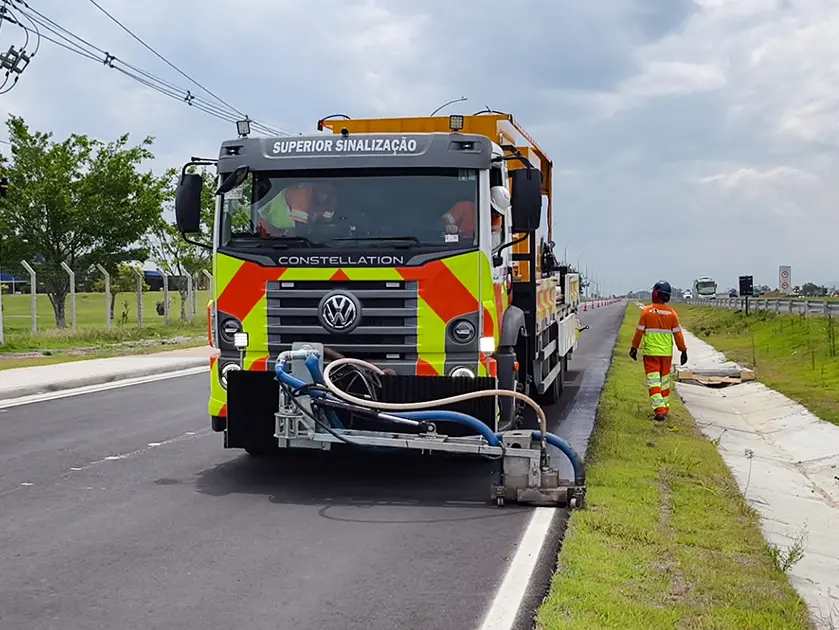
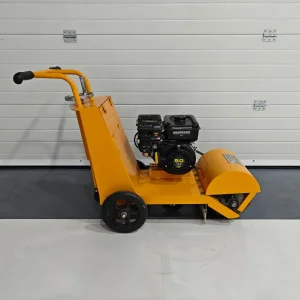
Used for road marking renewal, this system removed old markings without chemical residue or dust, keeping pavement intact and reducing construction costs.
Key technical criteria for procurement managers and road construction contractors.
Selecting a paint striper involves matching product specifications with project requirements. Factors like paint type, expected physical wear, and daily application distances determine which machine is best suited for the job.
Thermoplastic application requires preheating granular materials to 180°C - 220°C, producing a thick, wear-resistant profile ideal for high-traffic highways. Cold spray systems use airless pressure pumps to apply liquid traffic paints, providing a quick setup and fast drying times for municipal and parking area striping.
Hand-push machines like the HW-880 are suited for crosswalks, parking lots, and precise intersections. For long-distance projects, self-propelled or ride-on models reduce worker fatigue, maintain a consistent speed, and apply uniform lines.
For large projects, double-cylinder kettles like the HW-800 offer continuous melting to minimize downtime. Selecting a unit with diesel heating and automated temperature controls prevents material carbonization and clogging.
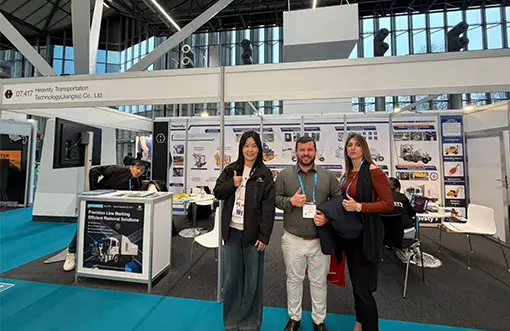
Our team participates in international exhibitions to connect with global industry partners and present our latest designs.
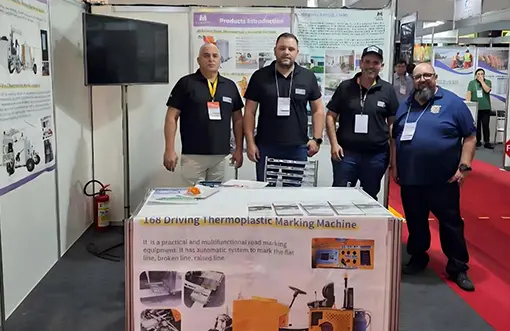
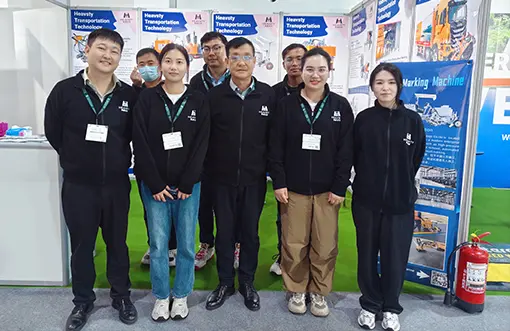
Expert insights on paint stripers, operational settings, and maintenance best practices.
Thermoplastic road marking paints should be heated to between 180°C and 220°C. Heating the material above 230°C can degrade the organic polymers, leading to discoloration and reduced durability. Consistently running the paint below 170°C will compromise adhesion, resulting in premature peeling and failure of the line.
Double-cylinder hot melt kettles feature two separate melting tanks powered by a shared hydraulic agitation system. This allows operators to melt raw thermoplastic powder in one cylinder while drawing molten material from the other. This configuration supports continuous, uninterrupted striping operations for large-scale projects.
Retroreflectivity relies on micro-glass beads embedded in the paint surface. These beads reflect incoming vehicle headlights back to the driver. Automated dispensers, synchronized with the machine's forward speed, drop the glass beads at a consistent rate of 300 - 400 g/m² at the correct embedment depth (around 50-60% of the bead diameter) to ensure night-time visibility.
Line bleeding or fuzzy edges typically occur due to incorrect airless pressure, a worn spray tip, or wind disruption. To resolve this, maintain pressure between 1500 and 2000 PSI, replace worn tips, adjust the spray guard shroud, and check that the viscosity of the paint aligns with the manufacturer's recommendation.
High-pressure removal units operating at 1,500 to 2,800 bar require daily inspection of water filters, high-pressure seals, and nozzles. Fine sediment in the water can erode the spray orifices, causing uneven water distribution and reducing the efficiency of rubber or paint removal from pavement surfaces.
Heavsty dry mechanical recycling systems capture dust, debris, and old paint particles during marking removal. By collecting these materials directly from the pavement surface, they prevent particulate matter and micro-plastics from entering local stormwater systems or becoming airborne.
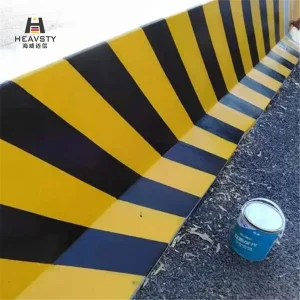
Vertical marking paint is formulated with higher viscosity and thixotropic properties to prevent running or sagging when applied to vertical surfaces like concrete barriers, tunnel walls, and bridge piers. It also contains specialized reflective films to provide high visibility at sharp viewing angles.
Advanced Driver Assistance Systems (ADAS) and autonomous vehicles rely on onboard optical sensors and machine vision systems to track lanes. This demands higher contrast markings, consistent line widths, and stable retroreflective values under both wet and dry conditions to prevent vehicle lane-drift errors.
Engineered for long-term durability and high efficiency on municipal roads, highways, and airport runways.
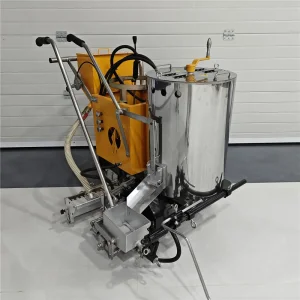
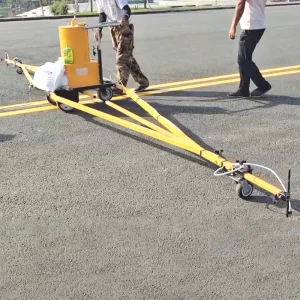
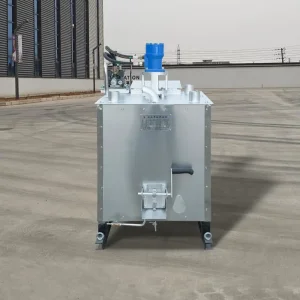
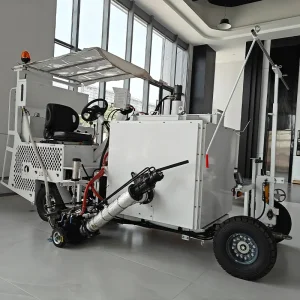
Every Heavsty machine is manufactured under strict quality standards to ensure safety and performance.
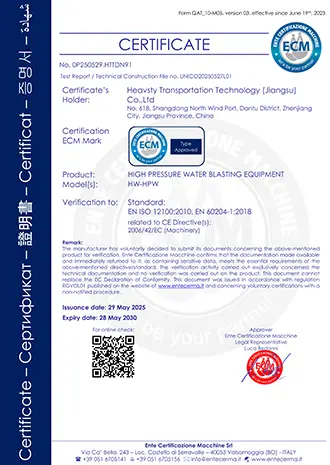
ISO 9001 Certification
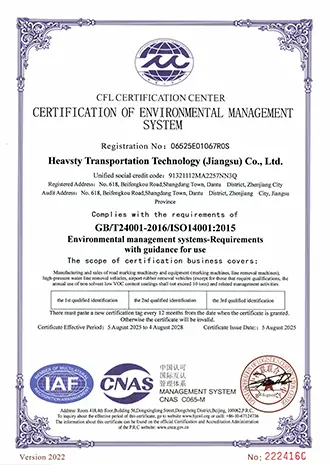
ISO 14001 Certification
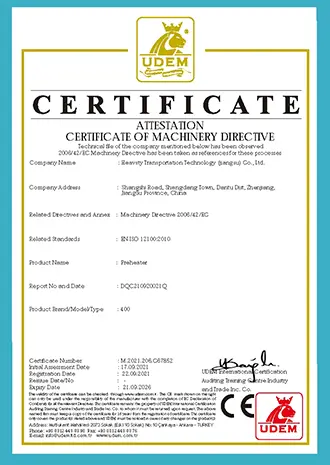
ISO 45001 Certification
SGS & TÜV Approval