Why Thermoplastic Line Removal Matters for Global Buyers?
For global road-marking buyers, thermoplastic line removal is more than a cosmetic maintenance task. It affects pavement condition, traffic safety, project timing, and future marking performance. A poorly removed line can leave raised edges, dark adhesive traces, or heat-related surface damage. These defects become obvious under headlights and rain.
Dr. John P. Tighe, a pavement-engineering specialist, states, “Removal quality matters because the pavement remains the buyer’s responsibility.” This principle deserves attention. The contractor may leave after one shift, but the road owner inherits the surface. Experienced buyers therefore examine removal methods, machine temperature control, dust collection, operator training, and substrate protection. Scrapers, grinding systems, and controlled heating can produce different results. Concrete, asphalt, and aged surfaces also respond differently.
Reliable purchasing decisions require evidence, not attractive claims. Ask for project references, test-area photographs, equipment details, and measurable acceptance criteria. Check whether the process limits scarring and preserves the surface texture. Confirm how removed thermoplastic waste is collected and handled under applicable local requirements. Small details matter. A ten-metre trial section can reveal more than a polished brochure.
There is no universal removal setting. Weather, line thickness, pavement age, and traffic pressure change the outcome. Even experienced teams can misjudge a brittle surface. That uncertainty should be documented, not hidden. Global buyers who evaluate thermoplastic line removal carefully reduce rework, protect infrastructure, and create safer conditions for the next marking application. The cheapest method may not be the lowest-cost decision.
What Thermoplastic Line Removal Involves
What Thermoplastic Line Removal Involves
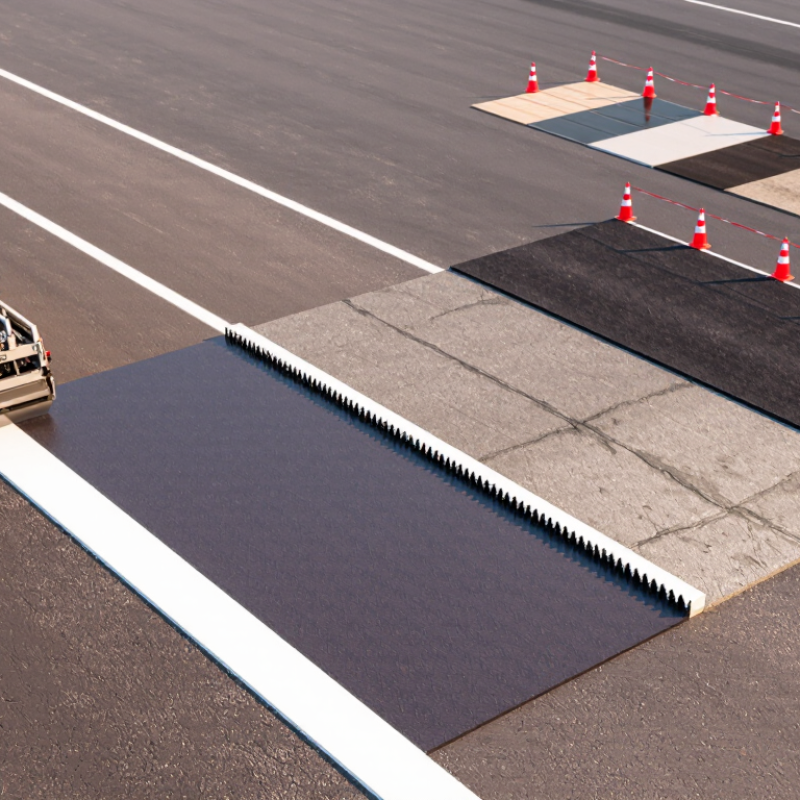
Thermoplastic line removal is more than scraping paint from asphalt. Crews first inspect thickness, bonding, pavement age, and nearby joints. They may use grinding, scarifying, water blasting, or controlled heating. Each method leaves a different surface texture. Grinding is practical, but it can expose aggregate and create dark “ghost lines.” Water blasting reduces heat, yet it produces wastewater that needs proper collection. Heat softens thermoplastic quickly, but excessive heat can weaken aged asphalt.
The scale is significant. The Federal Highway Administration reports over 4 million miles of public roads in the United States through Highway Statistics 2022. Even a small percentage requiring remarking creates substantial removal work. FHWA pavement-marking guidance also identifies thermoplastic as a durable material, often lasting several years under suitable traffic and weather conditions. That durability becomes a challenge during redesigns. Old material may remain strongly bonded. In field work, removal is rarely perfectly clean. Surface damage, hidden repairs, and poor previous installation can change the plan.
Tips:
Test a small area first. Measure pavement loss afterward. Check for loose aggregate, staining, and uneven edges. Keep removal depth controlled. ASTM and FHWA procedures help document surface condition, but site judgment still matters. A technically correct method can fail on a weak pavement.
Why Removing Old Thermoplastic Lines Is Necessary
Removing old thermoplastic lines is necessary when faded markings conflict with new traffic patterns. Ghost lines can confuse drivers, especially after rain, when contrast becomes weaker. The World Health Organization reported about 1.19 million road deaths globally in 2021. Clear lane guidance cannot prevent every crash, but poor markings add avoidable risk.
Field inspections often reveal another problem: old thermoplastic bonds remain inside surface texture. New material may sit unevenly, creating thin edges, dark patches, or poor night visibility.
FHWA guidance on pavement marking maintenance links performance with visibility, contrast, surface condition, and timely renewal. Its technical reviews also note that thermoplastic service life commonly varies from roughly three to six years, depending on traffic, climate, and installation quality. Age matters.
Removal is not automatically wise.
Global buyers should request a removal plan, surface-damage limits, and measurable acceptance criteria. Grinding and water blasting can expose weak asphalt if operators work too aggressively. A rushed process may leave residue; excessive cleaning may scar the pavement. That trade-off is easy to underestimate.
EN 1436 performance requirements emphasize measurable visibility and retroreflection, yet field results can change with moisture, dust, and wear. Buyers should therefore require before-and-after photographs, retroreflectivity checks, dry-time records, and an inspection after reopening.
The right question is not only whether old lines disappeared. It is whether the road now communicates one clear instruction.
Key Methods Used for Thermoplastic Line Removal
Why Thermoplastic Line Removal Matters for Global Buyers?
Key Methods Used for Thermoplastic Line Removal
Thermoplastic markings bond firmly to asphalt and concrete. Removing them requires control, not simple scraping. Global buyers should match the method to the surface, marking thickness, and project volume.
Mechanical grinding is widely used for roads, parking areas, and factory floors. A scarifier or grinder removes the line through rotating cutters. Dust extraction is essential. Operators must control cutting depth, or the pavement may show grooves and exposed aggregate. Abrasive blasting can clean smaller areas quickly. It may also scatter residue if recovery equipment is weak.
Heat softening offers another practical method. Infrared heaters or controlled hot-air tools loosen the thermoplastic layer. Workers can then lift it with flat scrapers. This approach reduces heavy impact on the substrate. However, overheating may darken asphalt or leave a thin adhesive film. It needs careful temperature control. No method is perfect.
High-pressure water blasting works well when buyers need lower surface contact. Recovered water and marking debris must be collected properly. For delicate surfaces, precision milling or laser removal may provide better control, though equipment costs can rise sharply. In my experience, a small test patch prevents expensive mistakes. Buyers should inspect the cleaned surface, measure remaining residue, and confirm waste-handling procedures before full production. A faster method is not always the safer one.
Factors Global Buyers Should Assess Before Removal
Before approving thermoplastic line removal, global buyers should identify the pavement, marking material, and application history. Concrete, asphalt, and coated surfaces react differently to heat, grinding, or water-based methods. A small test area can reveal bonding depth, hidden damage, and surface discoloration. Test first. Buyers should request method statements, operator qualifications, equipment details, and recent project evidence. Photos help, but they cannot replace site inspection or measured results. This is where inexperienced purchasing decisions often fail.
Temperature is another critical factor. Excessive heat may soften adjacent sealants or darken sensitive surfaces. Mechanical removal can create dust, noise, vibration, and uneven texture. Water blasting may leave moisture behind and require controlled collection. Ask how contractors protect drains, pedestrians, vehicles, and nearby structures. The removal plan should state production rates, working hours, access limits, and repair responsibilities. A low quotation may exclude final cleaning, repainting, traffic control, or disposal.
Global buyers also need clear evidence of environmental and workplace compliance in the destination country. Waste records, chemical information, insurance, and incident procedures should be available before mobilization. Confirm currency, taxes, shipping delays, and spare-part availability when comparing suppliers across borders. Independent surface testing is useful after removal, especially before new markings are applied. Results should record adhesion, roughness, cleanliness, and remaining residue. No process is perfect. Even a well-planned trial can expose assumptions that deserve revision.
How Proper Removal Supports Sustainable Road Maintenance
Why Thermoplastic Line Removal Matters for Global Buyers?
How Proper Removal Supports Sustainable Road Maintenance
Thermoplastic markings eventually crack, fade, or lose nighttime visibility. Their removal is not merely a cosmetic task. On maintenance sites, crews must lift the material without gouging asphalt or scattering plastic fragments into drains. A clean surface supports accurate reapplication and reduces unnecessary patching.
Road maintenance decisions now sit inside a larger emissions problem. The U.S. Environmental Protection Agency reported that transportation produced 28% of national greenhouse gas emissions in 2022. The European Commission’s Transport in Figures 2024 report also identified road transport as roughly 73% of EU transport emissions. These figures do not measure line removal directly. They show why every maintenance step deserves closer resource control.
Proper removal can reduce repeat work, wasted materials, and damaged pavement edges. Crews should control heat, collect debris, and inspect the exposed surface before new markings are installed. Procurement teams can request removal procedures, waste records, worker training evidence, and life-cycle data from contractors. Small details matter. A thin leftover ridge can affect adhesion. Excessive grinding can shorten pavement life.
The process is not automatically sustainable. Poor removal may create dust, waste, and extra repair cycles. That uncomfortable point deserves attention. Global buyers should compare the whole maintenance sequence, not just the unit price. EPA, Inventory of U.S. Greenhouse Gas Emissions and Sinks: 1990–2022; European Commission, EU Transport in Figures: Statistical Pocketbook 2024.
Proper thermoplastic line removal helps road agencies collect and manage marking material instead of leaving fragments on the pavement or in drainage systems. This illustrative engineering estimate assumes a 100 mm line width, 2.3 mm marking thickness, and a material density of 2,000 kg/m³. The estimated removable mass is calculated from line length × width × thickness × density; actual quantities vary by product formulation, wear, and removal method.
FAQS
Crews inspect the marking thickness, pavement age, bonding, joints, and nearby repairs. They then select a suitable removal method.
Common options include grinding, scarifying, water blasting, controlled heating, abrasive blasting, precision milling, and laser removal.
Rotating cutters remove the marking from asphalt or concrete. Dust extraction is important. Excessive cutting may expose aggregate.
Grinding may leave grooves, dark ghost lines, uneven edges, or loose aggregate. The cleaned area may not match surrounding pavement.
Heat softens thermoplastic quickly, allowing workers to lift it with flat scrapers. Excessive heat may darken asphalt or weaken aged surfaces.
Water blasting reduces direct surface impact. However, wastewater and marking debris require proper collection and handling.
No. Test a small patch first. Measure pavement loss and inspect residue, staining, loose aggregate, and edge quality.
Not always. Hidden repairs, weak pavement, poor installation, and strong bonding can change the result. Some surface traces may remain.
Operators should remove the marking without cutting deeply into the pavement. A small depth error can create visible grooves or exposed stone.
No method is perfect. Speed, surface protection, cleanup, equipment cost, and waste control must be considered together.
Conclusion
Thermoplastic line removal is an essential part of effective road maintenance, especially for global buyers managing projects in different climates, traffic conditions, and regulatory environments. The process involves eliminating outdated or damaged thermoplastic markings from asphalt or concrete surfaces so that new lines can be applied accurately. Removing old markings is necessary when road layouts change, lines become worn, or overlapping markings may confuse drivers and reduce visibility.
Common removal methods include mechanical grinding, shot blasting, heating, and specialized water-based techniques. Each method should be selected according to the pavement type, marking thickness, work area, and environmental requirements. Before beginning, global buyers should assess equipment performance, labor needs, surface protection, dust and waste control, project costs, and local safety standards. Proper thermoplastic line removal helps prevent surface damage, supports precise remarking, reduces unnecessary material waste, and extends pavement service life. When planned responsibly, it contributes to safer roads, more efficient maintenance, and more sustainable infrastructure management.