When selecting water jetting equipment, understanding your specific needs is crucial. The global water jet cutting market was valued at approximately $2.5 billion in 2022, indicating significant growth potential in various industries. This dynamic market impacts industries ranging from manufacturing to construction.
Choosing the right equipment requires careful consideration of efficiency, pressure, and versatility. With pressure capabilities ranging from 5,000 to 60,000 PSI, selecting the appropriate water jetting equipment can significantly enhance productivity. However, many buyers overlook their unique requirements, often resulting in equipment that underperforms. It's essential to assess the materials and applications before making a decision.
Additionally, relying on expert advice can be beneficial. Professional consultation ensures that safety standards and operational needs are met. However, many tools in the market exhibit flaws. Users must critically evaluate equipment characteristics, considering durability and maintenance. With the right approach, the ideal water jetting equipment can lead to improved performance and reduced costs.
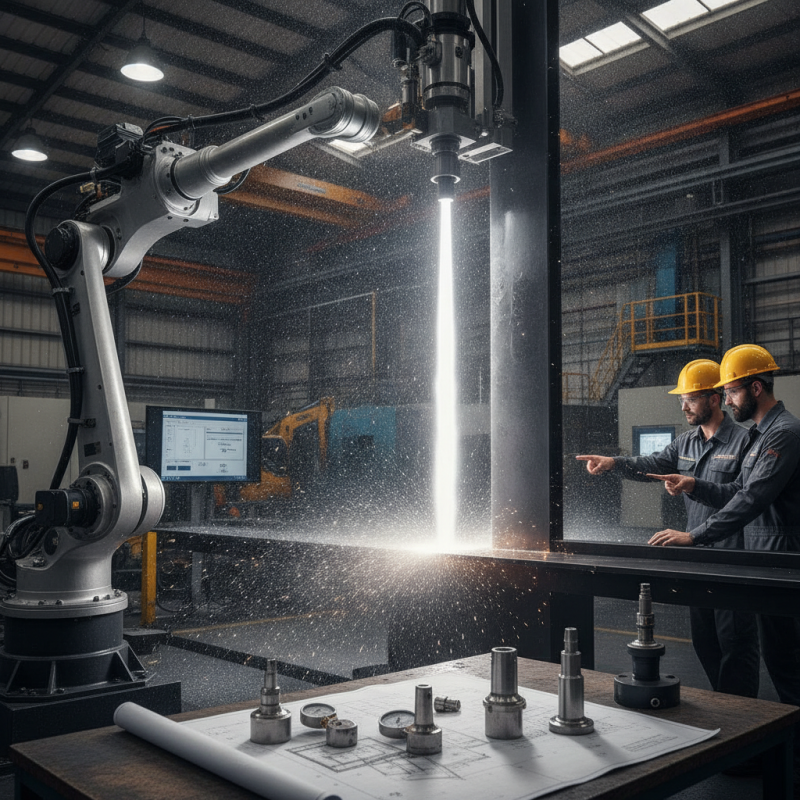
Water jetting is a powerful technique used in various industries. It utilizes high-pressure water streams to cut, clean, or shape different materials. This method is widely applied in manufacturing, construction, and waste management. Understanding its key applications is essential for selecting the right equipment.
In manufacturing, water jetting cuts materials with precision. It can work on metals, plastics, and composites. This versatility makes it invaluable for producing intricate designs. In construction, water jetting aids in surface preparation. It removes coatings and contaminants effectively. In the waste management sector, it cleans pipelines and tanks. The ability to reach tight spaces is crucial here.
Industry standards play a vital role in ensuring safety and effectiveness. Following guidelines ensures operators use equipment safely. It also maintains the integrity of the materials being processed. Each application may require specific equipment features. For example, a higher pressure rating might be needed for tougher materials. Missteps in equipment choice can lead to inefficiencies or even accidents. This highlights the importance of understanding one’s environment and requirements.
| Application | Recommended Equipment | Pressure Range (psi) | Nozzle Type | Industry Standards |
|---|---|---|---|---|
| Surface Cleaning | High Pressure Water Jetter | 3000 - 4000 | Rotary Nozzle | ISO 9001 |
| Drain Cleaning | Portable Water Jetter | 2000 - 3000 | Hydro Jet Nozzle | EPA Compliance |
| Industrial Cleaning | Heavy Duty Water Blaster | 4000 - 6000 | Fan Nozzle | OSHA Regulations |
| Pipeline Inspection | Robotic Water Jetting Equipment | 1500 - 2500 | Variable Nozzle | API Standards |
: Water jetting is used to cut, clean, or shape materials in various industries. It's common in manufacturing and construction.
It utilizes high-pressure water streams to effectively process materials. This allows for precision and versatility in applications.
Industry standards ensure safety and equipment effectiveness. Following guidelines helps prevent accidents and maintains material integrity.
Evaluate pressure output, nozzle design, and material quality. These factors impact the equipment's effectiveness and longevity.
Different nozzles create varied spray patterns. A wide-angle nozzle covers large areas, while a narrow nozzle targets specific spots.
Adjustable pressure settings allow you to handle different tasks efficiently. They improve performance against varying materials and conditions.
Choose equipment with easy maintenance. Regular checks prevent downtime and ensure optimal performance during water jetting tasks.
Durable nozzle materials enhance longevity and effectiveness. Weak nozzles may wear out quickly, affecting the cleaning process.
Regularly testing nozzles reveals which ones work best. Tracking helps improve outcomes and identifies necessary adjustments over time.
Yes, the wrong nozzle can waste resources and damage surfaces. Selecting the right one is crucial for effective cleaning.
When selecting water jetting equipment, it's essential to understand its key applications and the industry standards that govern its use. Evaluating the equipment involves considering various features and specifications that determine its efficiency and effectiveness. Key among these is the assessment of pressure ratings, where choosing the appropriate PSI is crucial for the success of your project. Additionally, different nozzle types can significantly impact the cleaning results, making it necessary to select the best option for your specific needs.
Maintenance is another critical factor that cannot be overlooked; ensuring the longevity and performance of your water jetting equipment will save time and resources in the long run. By focusing on these considerations, you can make an informed decision and choose the right water jetting equipment tailored to your requirements.
