
10 High Pressure Water Blasting Tips for Buyers

Time:2026-11-09 Author:Mason
0%

Buying a high pressure water blasting system means looking beyond the highest pressure on a product sheet. Pressure matters, but flow rate, nozzle design, hose length, and duty cycle shape real cleaning performance. A machine rated for demanding work may be inefficient for occasional tasks. A smaller unit may struggle with stubborn deposits or long operating periods. Match the equipment to the surface, soil, and working environment.

Details matter. These ten buyer tips cover practical checks, from pump materials and water supply requirements to controls, maintenance access, and available technical support. Compare operating costs as well as purchase prices. Ask suppliers for clear specifications, warranty terms, and guidance on compatible accessories. If possible, arrange a demonstration on a representative surface. A concrete sample can reveal more than a polished brochure.

Safety and usability deserve equal attention. Check the manufacturer’s operating instructions, required protective equipment, and training recommendations before purchase. Consider how operators will move the machine, manage hoses, and respond to routine maintenance needs. Keep in mind that results vary with the surface and cleaning method. Test first. Not every specification tells the whole story, and even careful buyers may overlook a small but costly detail. Use this guide to ask better questions, compare options fairly, and choose a high pressure water blasting system suited to the work you actually expect.
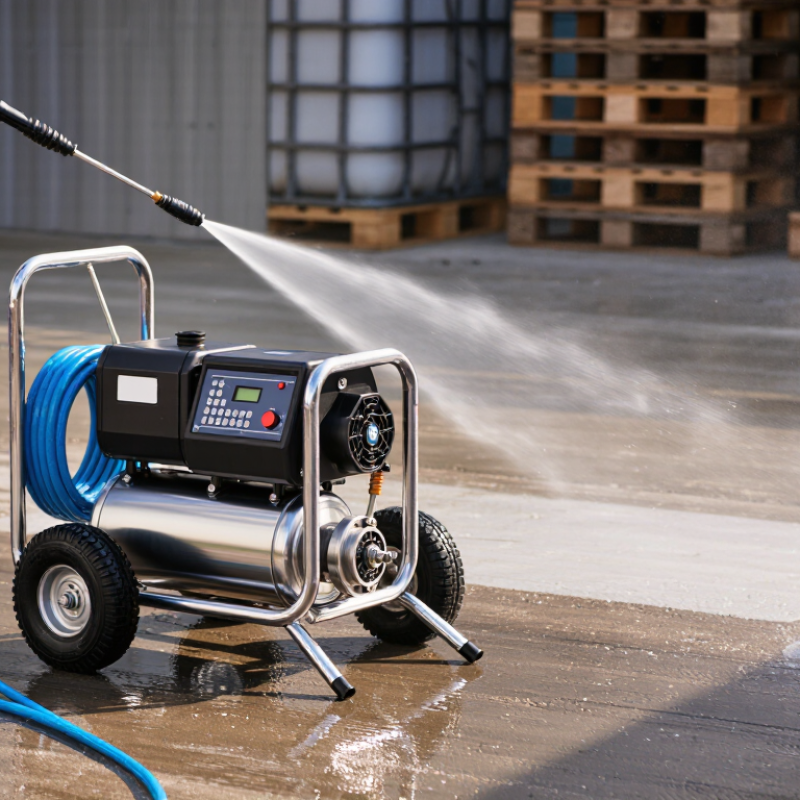
10 High Pressure Water Blasting Tips for Buyers

Understanding High-Pressure Water Blasting and Its Applications

High-pressure water blasting uses a focused water stream to remove unwanted material from a surface. Depending on the equipment and task, it can clean steel, strip coatings, clear residue, or prepare concrete for repair. It does not rely on abrasive media, but the water can still damage surfaces or cause serious injury. The surface decides.

Pressure and water flow are related but different. Pressure affects the force of the stream; flow influences how much material it can move. A narrow nozzle may cut stubborn deposits, while a wider pattern can cover a larger area. Pressure alone is a poor shortcut when comparing equipment. That can surprise buyers.

Start by identifying the material, the contaminant, and the required finish. A delicate surface may need a controlled test area before full cleaning. Check whether the system can reach the work area, manage water supply, and contain runoff. In industrial settings, operators should use suitable protective equipment, barriers, and emergency shutoffs. These details matter. They are easy to underestimate. Equipment choice is not always obvious, especially when access is limited or the surface condition varies. A qualified assessment can help match the machine, nozzle, and operating method to the job.

Matching Pressure and Flow Rate to the Cleaning Task

Pressure alone does not predict cleaning speed. Flow rate determines how much water reaches the surface, while pressure helps remove stubborn soil. The U.S. EPA’s WaterSense at Work guide reports typical pressure-washer flows of about 2–5 gallons per minute. Treat that as a planning range, not a guarantee: nozzle size and equipment settings change the delivered flow.

Match both numbers to the job. For a small concrete patch with oily marks, a focused nozzle and moderate flow may be more useful than simply choosing the highest pressure. For a broad, dusty floor, greater flow can rinse debris faster and reduce repeated passes. Keep the nozzle moving; a stationary jet can mark softer surfaces. Test an inconspicuous area first. Small detail, big difference.

The Water Jet Technology Association’s Recommended Practices for the Use of High-Pressure Waterjetting Equipment stresses selecting and operating equipment for the task. Check the machine’s rated pressure and flow together, then confirm the nozzle can deliver them. A practical comparison is hydraulic power: pressure in psi multiplied by flow in gallons per minute, divided by 1,714, gives approximate horsepower. Higher output can mean faster removal, but also more water and a greater risk of surface damage. I still see buyers overvalue the pressure figure; it is an easy mistake to make.

Comparing Equipment Types, Accessories, and Total Costs

A buyer should compare pressure, flow rate, and duty cycle together. Pressure helps remove stubborn deposits, while flow rate affects how quickly rinse water clears debris. A compact electric unit may suit indoor maintenance and shorter shifts. A trailer-mounted engine-driven system can support remote or extended work, but it needs more space, fuel, and routine servicing. Check the actual operating range, not only the maximum rating. That matters.

Accessories change both performance and handling. A compatible surface cleaner can cover flat concrete more evenly than a narrow lance, while extension wands reach high areas with less ladder work. Nozzle angles affect impact and coverage, so confirm that the included set matches the surfaces you clean. Inspect hose length, connection type, and temperature rating before ordering. Small mismatches can stall a job. Keep replacement seals and filters in the cost plan, too.

Compare total ownership costs, not just the purchase price. Include installation, water supply, power or fuel, protective equipment, maintenance, and likely downtime. Ask suppliers for written flow and pressure specifications, warranty terms, and service intervals. For example, a cheaper machine may cost more if its hose or fittings need frequent replacement. Field conditions are rarely as tidy as a catalogue suggests. I would also budget for one accessory I may not need immediately; that estimate can be wrong, but it is better than ignoring wear and changing requirements.

Evaluating Safety Features, Training, and Compliance

When buying high-pressure water blasting equipment, inspect safety features under realistic operating conditions. Ask the supplier to demonstrate the emergency stop, trigger control, pressure adjustment, and any hose-restraint system. Small details matter. Check that hoses, couplings, and fittings are rated for the intended pressure, and look for wear or damage during inspection. A polished demonstration can hide practical problems. Ask how the controls behave when an operator releases the trigger or loses footing.

Training should include supervised, hands-on practice, not just a manual or video. Operators need to understand nozzle hazards, safe start-up and shutdown, exclusion zones, and suitable protective equipment, including face and hearing protection. Ask whether training records and refresher sessions are available. Ask to see them. Compliance also requires checking applicable workplace rules, equipment documentation, inspection intervals, and site-specific procedures before purchase. Keep records accessible to operators and supervisors. A checklist helps, but it may not reflect a cramped work area or changing conditions. Buyers should leave room for a site assessment by a qualified safety professional, especially when tasks, materials, or operating pressures vary.

Checking Maintenance Needs, Warranty, and After-Sales Support

10 High Pressure Water Blasting Tips for Buyers

Before buying, ask what routine maintenance actually involves. Check the manual for oil changes, filter cleaning, seal inspection, and recommended service intervals. Requirements vary by pump design and operating hours, so avoid relying on a generic checklist. Small details matter. Ask whether common wear parts are easy to access and how long replacements typically take to arrive.

Read the warranty closely, not just the coverage headline. Confirm its duration, what parts are included, and whether labor or shipping is covered. Ask how operating conditions, missed maintenance, or unauthorized repairs could affect a claim. Keep the records. A dated log of service, operating hours, and replaced parts can help clarify what happened if a problem develops. It is not foolproof, but it is useful.

After-sales support matters when a unit stops working mid-job. Ask who handles troubleshooting, what information they need, and whether trained technicians or spare parts are available nearby. Check response times in writing when possible. One awkward question is worth asking: what happens if the repair takes longer than expected? A polished sales conversation may not reveal that. Get the support process before committing, and make sure it fits your crew’s schedule and technical experience.

FAQS

What should I compare when choosing pressure-washing equipment?

Compare operating pressure, water flow, and duty cycle together. Maximum ratings alone can mislead.

When is a compact electric unit a practical choice?

It can suit indoor maintenance and shorter shifts. Check the available power supply and working range.

What are the trade-offs of a trailer-mounted system?

It can support remote or extended work, but needs more space, fuel, and routine servicing. That adds up.

Which accessories can improve cleaning work?

A surface cleaner can cover flat concrete evenly. Extension wands help reach high areas with less ladder work.

What details should I check before ordering hoses and nozzles?

Confirm hose length, connection type, and temperature rating. Match nozzle angles to the surfaces being cleaned. Small mismatches can stop a job.

How should I estimate the equipment’s total cost?

Include installation, water, power or fuel, protective equipment, maintenance, and downtime. Budget for replacement seals and filters, too.

Which safety features should I test before buying?

Ask for a demonstration of the emergency stop, trigger control, pressure adjustment, and hose restraints. Try to see how controls respond when released.

What should operator training and site preparation include?

Include supervised practice, nozzle hazards, safe start-up and shutdown, exclusion zones, and suitable face and hearing protection. Keep training and inspection records accessible. A checklist helps, but it can miss a cramped work area.

Conclusion

Choosing the right high pressure water blasting system starts with understanding the surfaces, materials, and types of residue involved. Buyers should compare pressure and water flow rate, since the right balance can clean effectively without using more power or water than necessary. Consider how often the equipment will be used, where it will operate, and whether the cleaning task calls for a portable unit or a more robust setup.

Look beyond the initial purchase price: compare equipment configurations, hoses, nozzles, and other accessories, as well as ongoing operating and maintenance costs. Safety features, clear operating instructions, and suitable training help users work responsibly. Before purchasing, check routine service requirements, warranty coverage, availability of replacement parts, and the quality of after-sales support. A careful evaluation of these factors can help buyers select equipment that fits their needs and budget over the long term.

Mason

Mason

Mason is a seasoned marketing professional with a deep expertise in the company's offerings and a passion for driving brand awareness. With a strong background in digital marketing strategies, he has an innate ability to connect with diverse audiences and effectively communicate product benefits.......