
Choosing the right road painting equipment is crucial for successful road marking projects. According to industry reports, the global road marking materials market is expected to reach $5 billion by 2025, driven by growing infrastructure investments. This highlights the importance of selecting the right equipment to ensure efficiency and quality.
Understanding the various types of road painting equipment is vital. Factors such as project scale, paint type, and application method can significantly impact performance. For instance, airless sprayers offer speed, while traditional brushes provide detail. However, each option comes with its own trade-offs. Balancing speed and accuracy can be challenging.
Furthermore, not all equipment is created equal. Some brands offer innovative features that enhance ease of use and durability. Researching user reviews and industry recommendations can guide you toward reliable choices. However, it is essential to reflect on past projects and learn from them. This helps in identifying what worked well and what could have been improved. Ultimately, making an informed decision requires a blend of knowledge, expertise, and practical reflection.
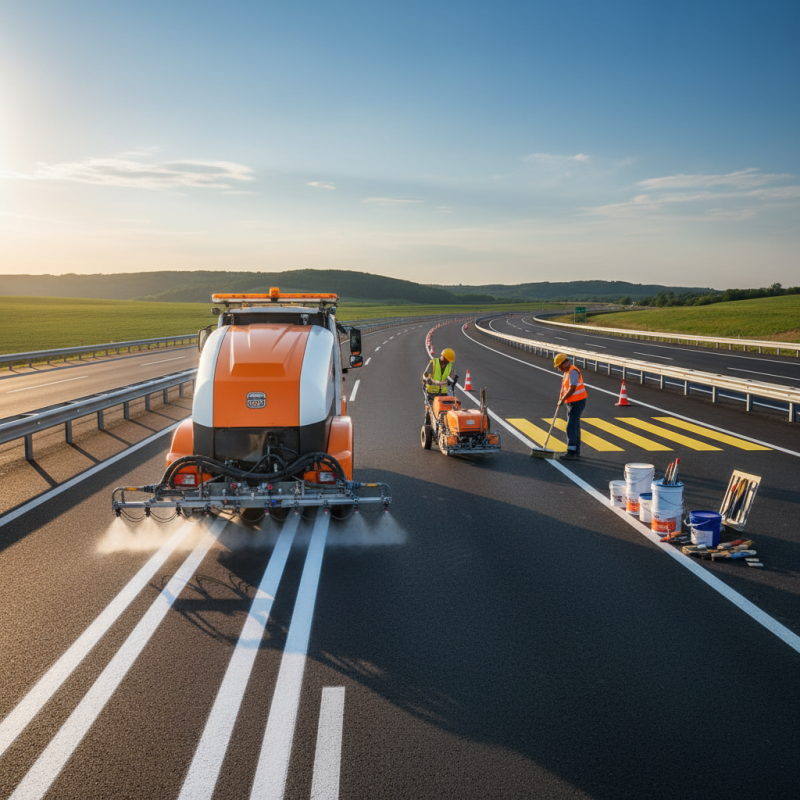
When choosing road painting equipment, understand the different types available today. The main categories include line stripers, stencils, and reflective paint applicators. Each type serves a unique purpose in road marking efficiency.
Line stripers are essential for creating clear lane divisions. They can be powered by gas or electric. According to a recent industry report, 38% of road contractors prefer gas-powered stripers for their efficiency on large projects. Stencils allow for quick symbols and directional markings. They are especially useful for parking lots and crosswalks. Reflective paint applicators ensure visibility at night, crucial for safety. An estimated 25% of accidents occur in low-light conditions, highlighting the need for effective marking.
Despite the variety of options, selecting the right equipment can be overwhelming. Many contractors report confusion over the right specifications. Some equipment may be too heavy for smaller projects, while lighter models may lack durability. Understanding project needs is vital. Investing in the wrong type could result in increased costs and poor quality markings. Knowing these factors can help make informed decisions, improving overall project outcomes.
: Look for equipment made from high-quality, resistant materials. They last longer and reduce replacement costs.
Lightweight tools are easier to handle, but heavier equipment may offer more stability and control. Balance is key.
Performance metrics, like speed and precision, ensure consistent results. Testing different models helps identify imperfections.
Advanced application technology improves efficiency and reduces costs by minimizing paint waste. It's essential for precise work.
Compliance enhances road safety and public trust. Non-compliance can lead to fines and accidents, so consider regulations carefully.
Always check for certifications and align with industry guidelines. Regular staff training on compliance is also vital.
Compliant equipment improves visibility and safety, which is critical in preventing road marking accidents.
Review user feedback and test various models. This helps in making informed choices that meet specific needs.
Focusing solely on price may overlook long-term benefits and safety. Reflect on the overall value of your choice.
Non-compliance can lead to serious safety issues and potential legal consequences. Regular audits can identify compliance gaps.
Choosing the best road painting equipment for your needs requires a comprehensive understanding of the various types available on the market today. Key features such as durability, weight, and performance metrics should be closely evaluated to ensure the equipment can withstand demanding conditions while providing efficient results. Additionally, the importance of paint application technology cannot be overstated, as it plays a significant role in the effectiveness and precision of road markings.
When considering the financial aspects, a thorough analysis of cost versus benefits is crucial. This involves assessing both the initial investment required for purchasing the road painting equipment and its long-term value in terms of maintenance and operational efficiency. Furthermore, ensuring that the equipment complies with industry standards and regulations is essential for safe and effective road painting operations. By considering these factors, you can make an informed decision that aligns with your specific requirements.
