
Choosing the best paint line striper for your needs can significantly impact project outcomes. According to a 2022 industry report, the demand for high-quality paint line stripers has increased by 30%. This growth reflects the rising importance of productivity and precision in marking applications.
When selecting a paint line striper, consider various factors. These include the type of paint, the application surface, and the machine's designed use. Experts suggest understanding your specific requirements is crucial. For instance, a durable striping machine can enhance longevity and efficiency. However, it's easy to overlook features that matter most to your unique tasks.
Investing in the right equipment can lead to better results. Yet, intuitive and user-friendly designs are just as essential. Some users find complex machines more challenging to operate, which can lead to frustration. Reflecting on these aspects can help clarify what you truly need in a paint line striper, ensuring a wise choice for future projects.
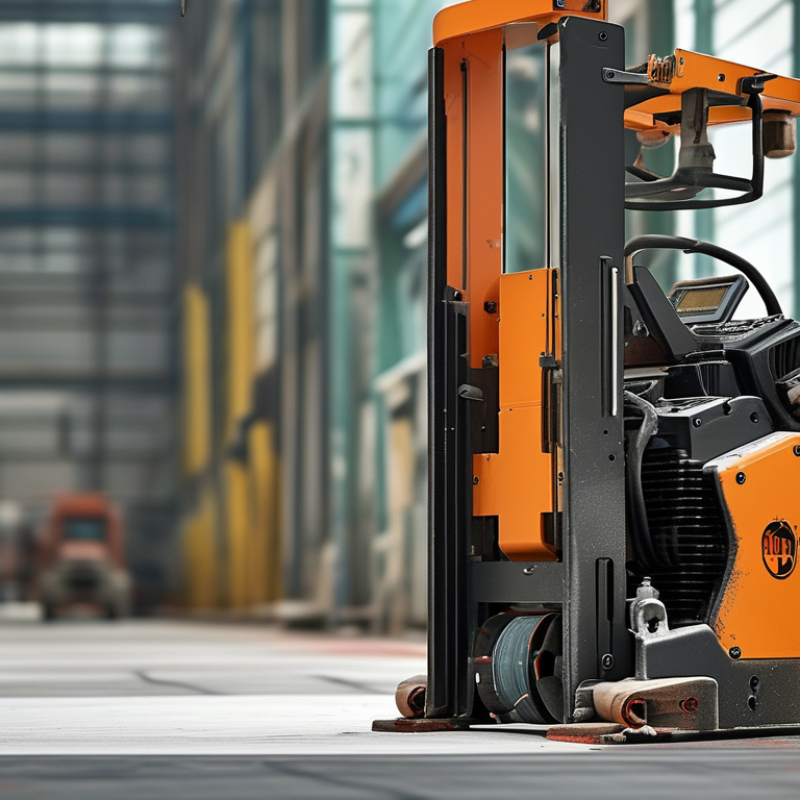
When selecting a paint line striper, it's essential to understand the differences between manual and powered options.
Manual stripers are typically less expensive and easier to operate. They often require some physical effort, making them ideal for small projects or uneven surfaces. Users can maintain control over the line width and application speed, which leads to greater precision. However, they can be tiring for larger areas.
Powered options, on the other hand, save time and reduce physical fatigue. These electric or gas-powered stripers can cover large areas quickly, ensuring a consistent finish. They often have adjustable settings, allowing the user to customize the application according to the job’s requirements.
Still, they tend to be heavier and more challenging to navigate in tight spaces. For those unfamiliar with heavy machinery, using a powered striper might feel daunting at first.
Choosing between these types ultimately depends on your specific needs. For occasional tasks, a manual striper may suffice. If you regularly tackle extensive projects, a powered option could be more efficient. Evaluating your abilities and project demands will guide you toward the best choice, balancing effort with the desired outcome.
Choosing the right paint line striper requires careful consideration of key features. Think about the type of projects you will undertake. Are you marking lines in a parking lot or creating unique designs for sports fields? Each application may require different specifications and tools.
One essential feature is the width of the paint line. Most stripers allow for adjustable line widths, ranging from narrow to wide. This flexibility is beneficial for various projects. Additionally, consider the paint capacity. A larger tank reduces the need for frequent refills, increasing efficiency.
Choosing the right paint line striper involves understanding your project's size and scope. Consider the area you'll be working on. Is it small, like a parking lot, or large, like a sports field? Each scenario requires different tools. A compact striper works well for tight spaces. Larger areas may necessitate a more robust machine.
Reflect on the terrain as well. Is it flat or uneven? Uneven surfaces may require additional features for effective application. Additionally, assess the type of paint you'll use. Whether water-based or solvent-based affects the choice of striper. Matching your striper to your paint type ensures a smoother application.
It's easy to overlook specific details when selecting a striper. Many jump to cost without considering durability. A cheaper option may save you money upfront but could lead to uneven lines or frequent repairs. Take time to evaluate the long-term benefits of a reliable tool. Engaging with professionals or forums can provide insights from others' experiences. Don't hesitate to ask questions; it can lead to a more informed decision.
Choosing the right paint line striper involves careful consideration of your budget. Prices can vary significantly, which directly affects the options available. You might find basic models starting at a few hundred dollars. However, more advanced features can push the price into the thousand-dollar range. It's essential to have a clear budget in mind before you start shopping.
When evaluating budget options, focus on the specific features you need. A simple manual striper may suffice for small jobs. For larger projects, consider an electric or gas-powered model. These typically offer better performance but come at a higher cost. Reflect on how often you will use the striper. If it's for occasional use, investing in a high-end model may not be necessary.
Additionally, think about the long-term costs. A cheaper model might require frequent repairs or replacements. This can add up over time, outweighing any initial savings. Balancing your immediate budget with potential long-term expenses is crucial in making a wise choice. Aim for a paint line striper that meets your needs without compromising quality.
When selecting a paint line striper, user reviews can offer vital insights. According to a recent industry survey, 78% of customers rely on user feedback to gauge a product’s reliability. This statistic highlights the importance of evaluating experiences shared by other users. Look for reviews that discuss ease of use, performance consistency, and durability. Engaging with community forums can also reveal common issues and points of satisfaction.
The reliability of brands is often reflected in their customer support. A study by the Paint Equipment Association found that companies with responsive customer service receive better ratings. Customers value quick responses to inquiries, as well as problem-solving capabilities. Take the time to read reviews that mention support experiences. Some users might express frustrations over slow responses or unhelpful assistance. These reflections can significantly influence your purchasing decision.
Understanding the common challenges users face is essential. Some may have encountered issues with nozzle clogging or uneven paint application. Acknowledging these concerns shows that no product is perfect. Even top-rated stripers can have limitations. Compare various reports and take note of recurring feedback. This can guide you toward a choice that aligns with your specific needs and expectations.
| Model | Type | Line Width | User Rating | Ease of Use | Customer Support |
|---|---|---|---|---|---|
| Model A | Manual | 2-4 inches | 4.7 | Very Easy | Responsive |
| Model B | Electric | 1-6 inches | 4.5 | Moderate | Average |
| Model C | Pneumatic | 2-3 inches | 4.8 | Easy | Excellent |
| Model D | Battery-operated | 4-8 inches | 4.3 | Complex | Poor |
: Consider project type and specific requirements, such as marking lines or creating designs.
Adjustable line widths allow versatility for different projects, whether narrow or wide lines are needed.
A larger tank allows for fewer refills, increasing efficiency during your projects.
Choose a striper that is easy to set up and intuitive based on user feedback and reviews.
Yes, trying out a demo model helps ensure comfort and usability for your needs.
Some models require more upkeep; consider this to prevent future inconvenience and ensure longevity.
The area and terrain affect the type of striper; compact models fit small spaces, while larger machines handle extensive projects.
No, cheaper options may lead to uneven lines and more repairs, reflecting on long-term costs and durability.
Evaluate usage frequency to decide whether to invest in a high-end model or a simpler, budget-friendly option.
Overlooking specific details can lead to poor choices; consider durability and performance alongside price.
When selecting the best paint line striper for your needs, it's essential to consider the various types available, such as manual and powered options. Each type has its own advantages, and your choice should reflect the specifics of your project. Key features to evaluate include ease of use, durability, and the precision of the paint application. Additionally, assessing the size and scope of your project can help determine the right paint line striper, ensuring it meets your demands effectively.
Budget is another critical factor; you should find a paint line striper that not only fits your financial constraints but also offers the best value for your investment. User reviews can be invaluable in this process, as they provide insights into brand reliability and customer support. By carefully considering these elements, you can select a paint line striper that aligns perfectly with your requirements, facilitating a successful painting project.
