What Is the Best Water Jetting Equipment in 2026?

Time:2026-10-26 Author:Sophia
0%

Choosing the best water jetting equipment in 2026 is not a simple matter of selecting the highest pressure. Real performance depends on the worksite, material, water quality, nozzle design, pump efficiency, and operator control.

Dr. Mohamed Hashish, a recognized pioneer in waterjet technology, once stated, “Waterjet technology is a green technology.” That observation remains relevant, but it needs careful interpretation. A modern system may reduce heat-affected zones, airborne dust, and mechanical contact. It can also consume significant water and energy when poorly configured.

The best water jetting equipment should match the job’s actual demands. A 40,000 psi unit may suit surface preparation, while an ultra-high-pressure system may be necessary for concrete removal or industrial cleaning. Flow rate matters too. A narrow nozzle can create a precise cutting stream, but it may slow large-area cleaning. Small details become expensive quickly.

Look closely at the pump, hose assemblies, filtration, automatic pressure controls, and replacement parts. Inspect the unit beside a real workpiece, not only in a showroom. Watch how the operator handles the lance near corners, joints, and uneven surfaces.

Safety cannot be treated as an accessory. Reliable guarding, emergency shutoff controls, clear pressure ratings, and practical training should influence every purchase. Certification and documented maintenance history also strengthen trust.

There is no universal winner. That answer feels unsatisfying. Still, it is more honest than ranking equipment by pressure alone. This guide compares leading options through performance, durability, operating cost, water use, service support, and suitability for specific applications in 2026.
What Is the Best Water Jetting Equipment in 2026?

What Is Water Jetting Equipment and How Does It Work?

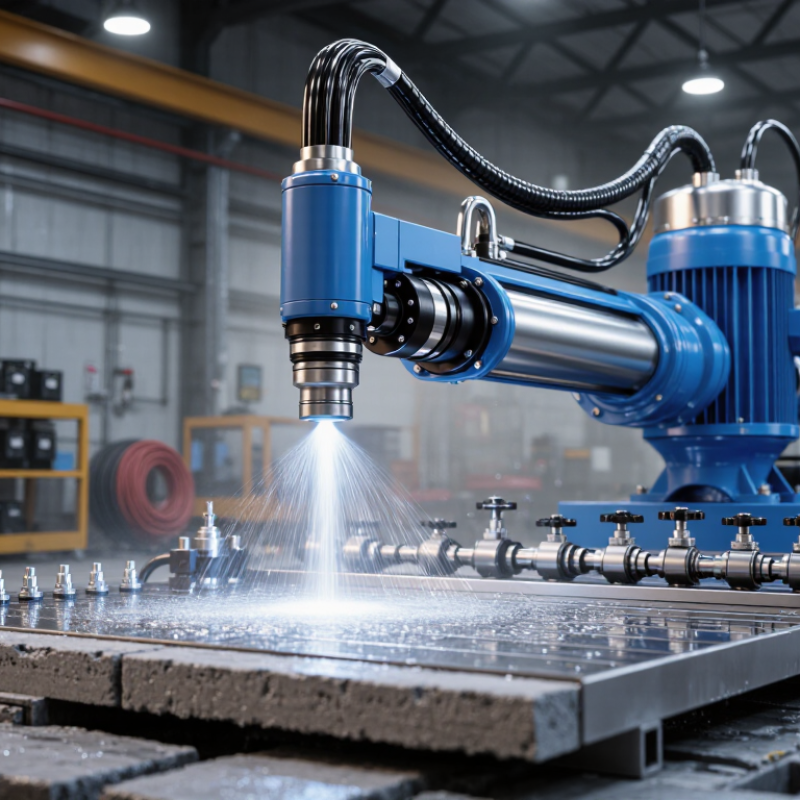
Water jetting equipment uses pressurized water to clean, cut, strip, or prepare surfaces. A typical system includes a water tank, pump, high-pressure hose, control valve, nozzle, and safety shutoff. The pump raises water pressure, while the nozzle converts that pressure into a fast, focused stream. That stream removes grease from pipes, corrosion from steel, or coating from concrete without relying on abrasive chemicals.

The nozzle matters. Its shape controls the spray pattern, impact, and water consumption. Rotating nozzles sweep around pipe walls, while fan nozzles cover wider surfaces. Operators select pressure and flow according to the material, blockage, and working distance. Excessive pressure can damage weak concrete, seals, or painted surfaces. Pressure is not everything.

In practical work, technicians inspect hoses for cuts, confirm secure fittings, and test controls before starting. They also manage reaction force, which can pull equipment backward unexpectedly. Face protection, waterproof clothing, gloves, and suitable footwear reduce exposure to flying debris and high-pressure water. Good training remains essential, because a small handling mistake can cause serious injury. I have found that equipment specifications rarely tell the whole story. Real performance changes with water quality, nozzle wear, hose length, and operator technique. Even an efficient pump may perform poorly when its filter is clogged or its nozzle is partly damaged. This is why maintenance records and site testing deserve as much attention as maximum pressure.

What Is the Best Water Jetting Equipment in 2026?

Water jetting equipment uses a high-pressure pump to accelerate water through a small nozzle. The resulting jet removes dirt, coatings, scale, blockages, and damaged material without using abrasive chemicals. The most suitable equipment depends on the required pressure, flow rate, surface, and application.

The chart shows representative maximum working-pressure levels commonly associated with major water jetting equipment categories. Actual specifications vary by pump, nozzle, hose, and safety configuration. Higher pressure is not automatically better: drain cleaning generally needs higher flow, while precision cutting requires extremely high pressure and controlled water flow.

Which Types of Water Jetting Equipment Are Available in 2026?

In 2026, water jetting equipment is available for several demanding applications. High-pressure jetting units clean pipes, drains, heat exchangers, and industrial surfaces. Compact electric models suit indoor maintenance, while diesel-powered units handle remote or heavy-duty work. Trailer-mounted systems offer useful mobility between construction sites.

Ultra-high-pressure equipment removes hardened scale, coatings, corrosion, and concrete residue. It delivers exceptional cleaning force, but requires trained operators and carefully rated hoses. Sewer jetters combine water pressure with specialized nozzles for municipal and commercial drainage. Vacuum combination units collect loosened waste immediately, reducing mess around the work area. Robotic crawlers add distance and control when operators need to inspect or clean hazardous spaces.

Tips: Match pressure, flow rate, hose length, and nozzle design to the material. Higher pressure is not always better. Check pump seals, connections, and emergency controls before every shift. Protective clothing, face protection, hearing protection, and restricted work zones remain essential. In my experience, equipment selection often fails because users focus on pressure alone. Flow rate can determine whether debris truly moves away. Battery-powered systems are quieter and cleaner indoors, yet their operating time may still disappoint on larger jobs. Test a small area first, especially on aging concrete, fragile coatings, or corroded metal.

How to Compare Pressure, Flow Rate, Power, and Portability

What Is the Best Water Jetting Equipment in 2026?

How to Compare Pressure, Flow Rate, Power, and Portability

The best water jetting equipment is not always the machine with the highest pressure. Pressure breaks deposits, while flow rate carries loosened material away. A compact unit producing 700 bar at 15 L/min delivers about 17.5 kW of hydraulic power. That figure comes from the U.S. Department of Energy’s Pumping System Assessment Tool formula: pressure multiplied by flow, divided by 600. Motor input will be higher because pumps lose energy.

Look beyond the headline number. For concrete cleaning, higher flow can reduce repeated passes and operator fatigue. For delicate surfaces, controlled pressure matters more. The Water Jetting Association’s industry guidance also emphasizes matching nozzle performance, hose condition, and operator control to the task. Small details matter. A worn nozzle changes flow and increases risk.

Portability is a practical compromise. A lighter frame helps on stairs, but a smaller tank may interrupt work every few minutes. Electric models can simplify indoor use, while fuel-powered systems may suit remote sites. Noise, cable length, hose storage, and access points deserve equal attention. I often overvalue pressure during comparisons. That is a mistake. Real productivity depends on pressure, flow, power efficiency, and movement working together. The most useful specification is the one that matches the surface, water supply, cleaning distance, and daily workload.

Which Water Jetting Equipment Best Fits Different Applications?

The best water jetting equipment in 2026 depends on the application, not the highest pressure. A compact pressure washer suits vehicle cleaning, workshops, and light concrete maintenance. It offers easy handling around narrow spaces. For removing thick coatings or corrosion, a high-pressure hydroblasting unit provides greater cleaning force. Flow rate matters too. More water can move loosened debris faster, especially on large industrial surfaces.

Pipe cleaning requires different equipment. A sewer jetter with a flexible hose and rotating nozzle can clear grease, sediment, and roots from drainage lines. Operators should match the nozzle angle to the pipe diameter. Too much force may damage older pipes. In confined tanks or complex structures, remotely controlled jetting equipment can reduce exposure to spray, falling debris, and unstable surfaces. Water recovery systems are valuable where contaminated runoff must be collected and treated.

I have seen teams choose equipment by pressure alone, then struggle with poor productivity. That approach needs reconsideration. Surface material, access, water supply, hose length, and waste handling should guide selection. A trained operator should inspect connections, trigger controls, shields, and emergency shutoffs before use. Personal protective equipment remains essential, even when automation is available. Test a small area first. Record pressure, flow, nozzle type, and cleaning results. These records support safer decisions and reveal when the chosen setup is not performing as expected.

What Safety, Maintenance, and Cost Factors Should Buyers Consider?

What Is the Best Water Jetting Equipment in 2026?

Safety should guide the purchase more than maximum pressure. Choose equipment with a dead-man trigger, pressure relief, hose restraints, and visible gauges. The Water Jetting Association recommends documented training, exclusion zones, and pre-use inspections. OSHA also requires employers to maintain tools in safe condition under 29 CFR 1910.242(b). Small failures matter. A damaged hose can turn a routine cleaning task into a serious injury.

Maintenance determines whether the equipment remains productive. Inspect hoses, couplings, seals, filters, and nozzles before every shift. Replace worn nozzles when flow patterns change. Poor filtration can damage pumps quickly. The U.S. Department of Energy’s Operations & Maintenance Best Practices Guide reports that effective maintenance may reduce industrial energy use by 5% to 20%. That figure is not specific to water jetting, but it shows why neglected maintenance becomes an operating cost. Keep service records. Photographs help.

Purchase price can hide the real expense. Compare water consumption, electricity demand, pump life, spare parts, labor, and downtime. The U.S. Energy Information Administration reported an average U.S. industrial electricity price of roughly 8 cents per kilowatt-hour in 2024, with large regional differences. Calculate costs using your local tariff. I would not trust a payback estimate based only on pressure and flow. Test the machine on actual deposits, measure cleaning time, and include operator training. A cheaper unit may cost more when filters clog daily. That possibility deserves honest review.

FAQS

What types of water jetting equipment are available in 2026?

Options include high-pressure units, ultra-high-pressure systems, sewer jetters, and vacuum combination machines. Compact electric models suit indoor maintenance. Diesel units handle remote or demanding work.

How do electric and fuel-powered water jetting systems differ?

Electric systems produce less noise and fewer indoor emissions. Fuel-powered units usually offer longer operation at remote sites. Battery runtime may disappoint on larger jobs.

Is higher water pressure always better?

No. Pressure breaks deposits, while flow rate moves loosened debris away. Excessive pressure can damage old concrete, weak coatings, or corroded metal.

How should pressure and flow rate be matched to a task?

Use controlled pressure for delicate surfaces. Choose higher flow for concrete and heavy debris. A small test area can reveal unexpected damage.

What does a 700-bar system delivering 15 liters per minute provide?

It provides approximately 17.5 kilowatts of hydraulic power. Motor input will be higher because pump systems lose energy.

Which equipment works best for blocked drains and sewer lines?

Sewer jetters use pressurized water and specialized nozzles to move drainage debris. Vacuum combination units collect loosened waste immediately. Work areas stay cleaner.

When are robotic water jetting crawlers useful?

Robotic crawlers add distance and control in hazardous or difficult spaces. They can reduce direct operator exposure. Human supervision still matters.

What should operators inspect before each shift?

Check pump seals, hose condition, connections, nozzles, and emergency controls. Protective clothing, face protection, and hearing protection remain essential. Restrict the work zone.

How does portability affect equipment selection?

Lightweight frames move more easily on stairs, but smaller tanks may interrupt work. Consider hose length, cable access, storage, noise, and water supply. Portability involves trade-offs.

What common mistake occurs when comparing water jetting equipment?

Users often focus on pressure alone. That comparison is incomplete. Daily productivity also depends on flow, power efficiency, hose condition, and movement.

Conclusion

Choosing the best water jetting equipment in 2026 depends on the job, working environment, and required cleaning or cutting performance. This equipment uses pressurized water to remove dirt, coatings, blockages, rust, and other materials. Available options may include compact portable units, trailer-mounted systems, industrial high-pressure machines, and specialized equipment for surface preparation or pipe maintenance. Buyers should compare pressure, flow rate, motor or engine power, water consumption, operating range, and portability to ensure the system matches the application.

Safety, maintenance, and total cost are equally important. Operators should use suitable protective equipment, inspect hoses and connections regularly, follow operating procedures, and never direct a water jet toward people or unsafe surfaces. A reliable machine should be easy to service, supported by accessible replacement parts, and designed for efficient water and energy use. The best choice balances performance, durability, transportability, purchase price, and long-term operating expenses rather than focusing on pressure alone.

Sophia

Sophia

Sophia is a dedicated marketing professional with an exceptional depth of knowledge about her company's products and services. With a keen understanding of market trends and customer needs, she crafts insightful blog posts that not only inform but also engage readers, enriching the company’s online......